School as a Community Hub: Building Stronger Parent–Teacher Partnerships

Victoria Mutema. Reception HOD • August 18, 2025

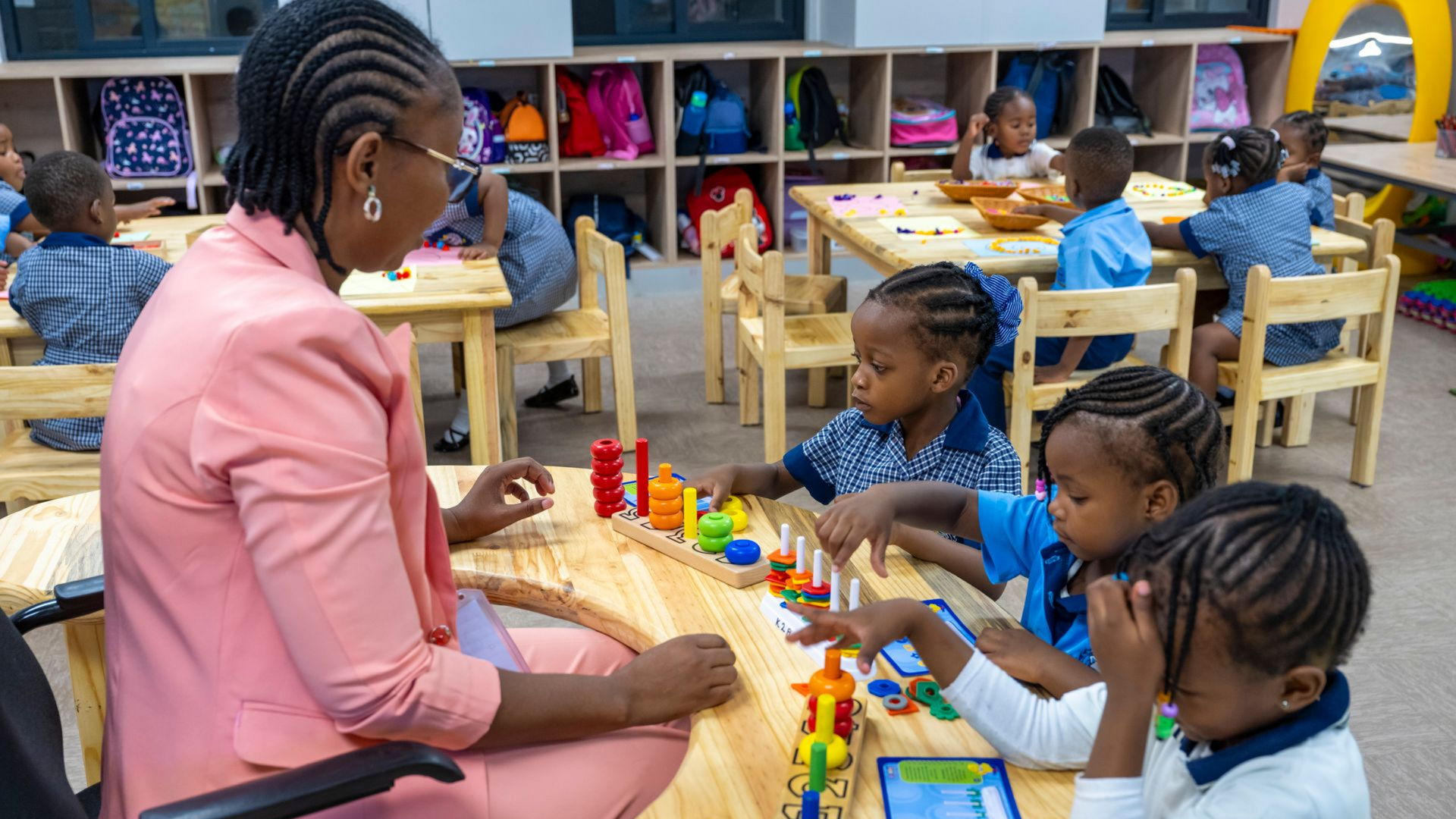
At GIS Pre-School we follow the Reggio Emilia approach, and we believe that learning flourishes through collaboration among educators, learners, and families. Our environment is designed to spark curiosity, creativity, and meaningful connections. Central to our philosophy is the idea that parents are not just supporters of education but active partners in the learning journey.


1. Open Communication

We prioritize clear and consistent communication. Each term begins with a newsletter outlining key calendar events, followed by timely WhatsApp reminders to keep families informed. Monthly class overviews help parents stay engaged with their child’s learning, identify areas needing support, and collaborate with teachers before new topics are introduced.


2. Meaningful Parent Engagement

We actively invite parents into the classroom to observe and participate in hands-on learning experiences. Celebrations like Father’s Day and Mother’s Day are honored, while events such as Sports Day offer opportunities for parents to join in the fun. When children see their parents involved, it reinforces a sense of encouragement and shared purpose, sending a powerful message that their education is deeply valued.


3. Supporting Home Learning

Learning does not stop at the school gate. Through weekend projects and real-world experiences, like gardening, baking, or museum visits, parents help children explore their world. Learners document these moments through photos and videos, fostering reflection, independence, and self-motivation. Watching themselves and their peers engaged in discovery empowers children to take ownership of their growth.


4. Celebrating an Inclusive Community

At GIS, we proudly celebrate the diversity of our school community by hosting a range of events at varied times, ensuring that everyone can participate and feel included. Our Family Fun Day is a vibrant example of this, bringing together families from all walks of life to share in the rich cultural heritage, diverse experiences, and unique perspectives that make our school so special. These events not only foster a sense of belonging and connection among families but also create a warm and inclusive environment that welcomes and values every individual.

Strong parent–teacher partnerships are the foundation of a thriving learning environment. At GIS, we’re committed to nurturing these connections, ensuring that every child is supported, inspired, and surrounded by a community that believes in their potential.
July 21, 2026
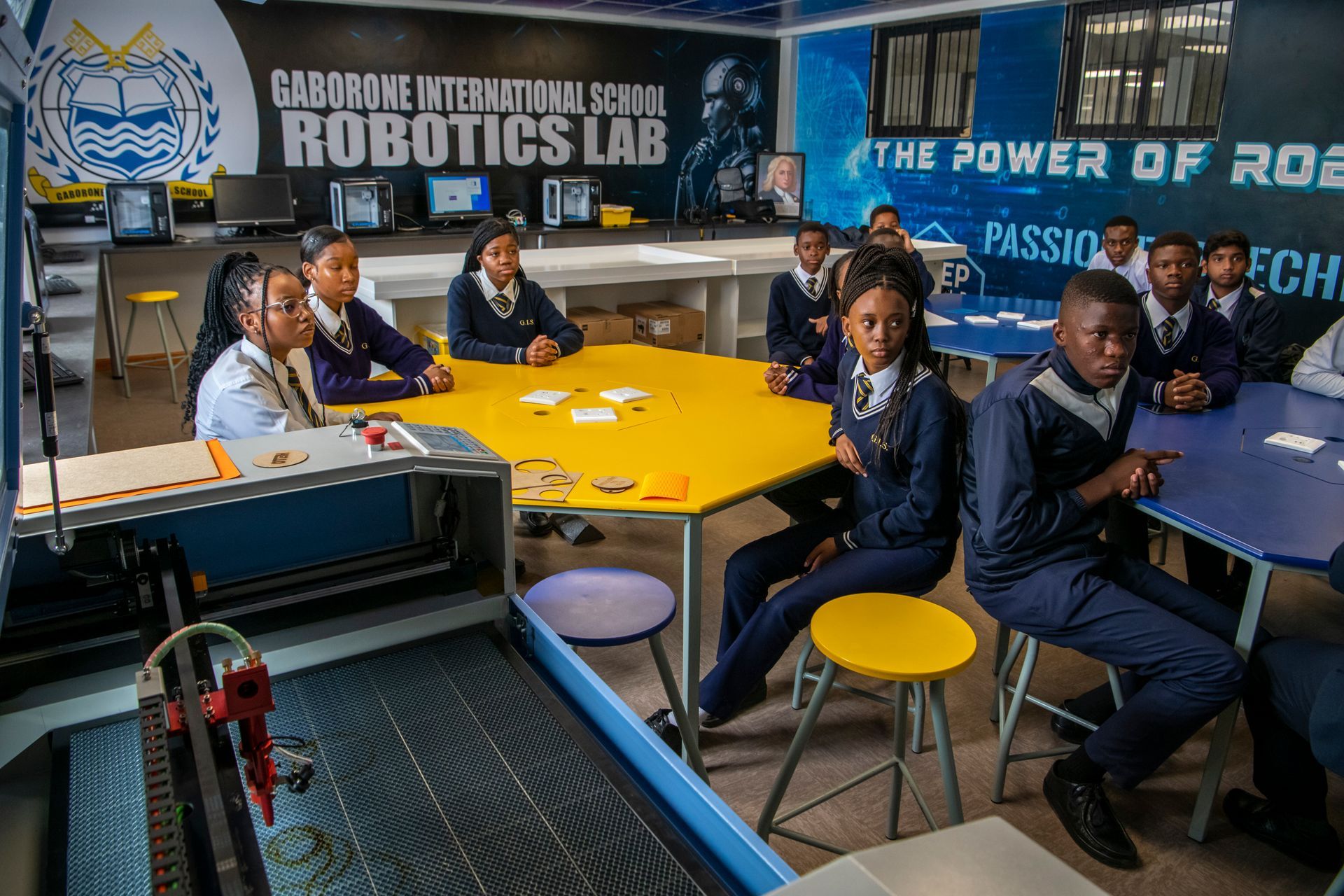
Every Student learns differently! Think about it like this; In the real world, we customize our coffee orders, hairstyles, our music playlists, and occasionally take our own clothes to the tailor to get a perfect fit in line with our our tastes. All this is done to provide the best customer service as well as for the customer to cherish it. So, why should our children’s educational journeys be treated differently? From time immemorial until now, the education system has evolved drastically from the former traditional teaching where the teacher was ‘ Mr. I know it All , where learners were just like passive passengers on an intellectual train to the current modern approach known as Personalized Learning. When put together, Personalized Learning’ means teachers provide targeted learning towards each student’s unique learning needs, interests, learning styles and modify their experiences. Personalized Learning ensures every lesson is resourceful, relevant and engaging with all students, which helps them grasp concepts taught more effectively leaving them with a touch of confidence in themselves. How Do Personalized Learning Approaches Support Different Learning Styles and Learner Progress? As educators at Gaborone International School, we understand that learning how our learners process information is not just beneficial to them, but it is a crucial part of our work to become excellent at our jobs and in ensuring every student succeeds in their academic journey. At GIS, we adopt these fou r famous and common learning styles for our learners: 1. Visual Learners These are learners who understand and remember things best when they see them. Thus, as teachers at GIS, we make use of PowerPoint Presentations, use information in diagrammatic form, images/pictures and videos while teaching our students. Our growing innovative techniques with digital equipment; for example, making use of projectors and iPads with learners has proven very helpful to these specific learners. 2. Auditory Learners : These learn best by hearing information and they remember spoken words. For these students, we make use of assigning group tasks to certain subtopics in a topic/question and once a set time is over, we push for students to teach it /explain it to the whole class (peer teaching). Additionally, rather than the teacher delivering all the information, learners are given a chance to collaborate with each other, and this makes them retain concepts taught easily. 3. Kinesthetic Learners: These learners enjoy hands-on activities, they learn quicker by doing & moving or changing seating positions. DIY Ferris Wheels by Std 3 Learners during a Robotics lesson As teachers, we try to make this possible as they engage in different specialist subjects. For example, However, we can make these learners get involved as we take them to the labs, Music, Art, PE and making use of buildings blocks/models. This way, learners can 10 channel their energy productively without disrupting their concentration span. 4. Reading /Writing Learners: These are learners who understand better when they read and write things down. This one is a classic traditional style where students write notes during class, read out loud what is on the board, and they love reading articles. In the Lower Primary school, particularly Standard 1 to 3, our Guided Readers program takes care of such learners.  By adding all these techniques to how we teach learners, it has helped us to answer a lot of questions our parents had and remove anxieties as they drop off their children at school each day. This makes them confident that their children are treated as individuals with unique talents and goals and are given room to thrive in a system that values them more and allows self-advocacy and the best to come out of them.
July 21, 2026
A message from the Deputy Principal: Hillary Siandula
July 14, 2026
It is the outcome of a carefully designed ecosystem that supports learners every day.