Choosing the Right School: The Essential Checklist for Parents
The Essential Checklist for Parents when Choosing The Right School
For many parents in Botswana, choosing a school is one of the most important decisions they will make for their child’s future. Yet in a market filled with different curricula, philosophies, and promises, education experts say parents need to look beyond surface-level comparisons and ask deeper questions about what truly defines a quality school.
According to Hannelie Raubenheimer, the Executive Head at Gaborone International School, not all schools offer the same educational experience, even when they appear similar on paper.
“Parents often compare schools based on fees, facilities, or examination results alone, but the real difference lies in the overall learning environment and the opportunities children are exposed to daily,” says Raubenheimer. “A strong school develops confident, capable young people who can thrive academically, socially, and globally. It is about preparing children for life, not only for exams.”
As Botswana’s education landscape continues to evolve, parents are increasingly looking for schools that combine academic excellence with global relevance, personalised support, and a strong sense of community. Families should approach school selection carefully, viewing it as a long-term investment in a child’s growth and future opportunities.
Here are some of the key areas parents should evaluate when considering a school:
1. Academic quality: Results matter
Strong academic results should remain one of the most important considerations when choosing a school, as they often reflect the quality of teaching, leadership, and academic support. Parents should also look at how those results are achieved. The strongest schools combine academic rigour with an environment that encourages curiosity, independent thinking, collaboration, and problem-solving, preparing students for success beyond the classroom.
2. Teacher quality and individual attention
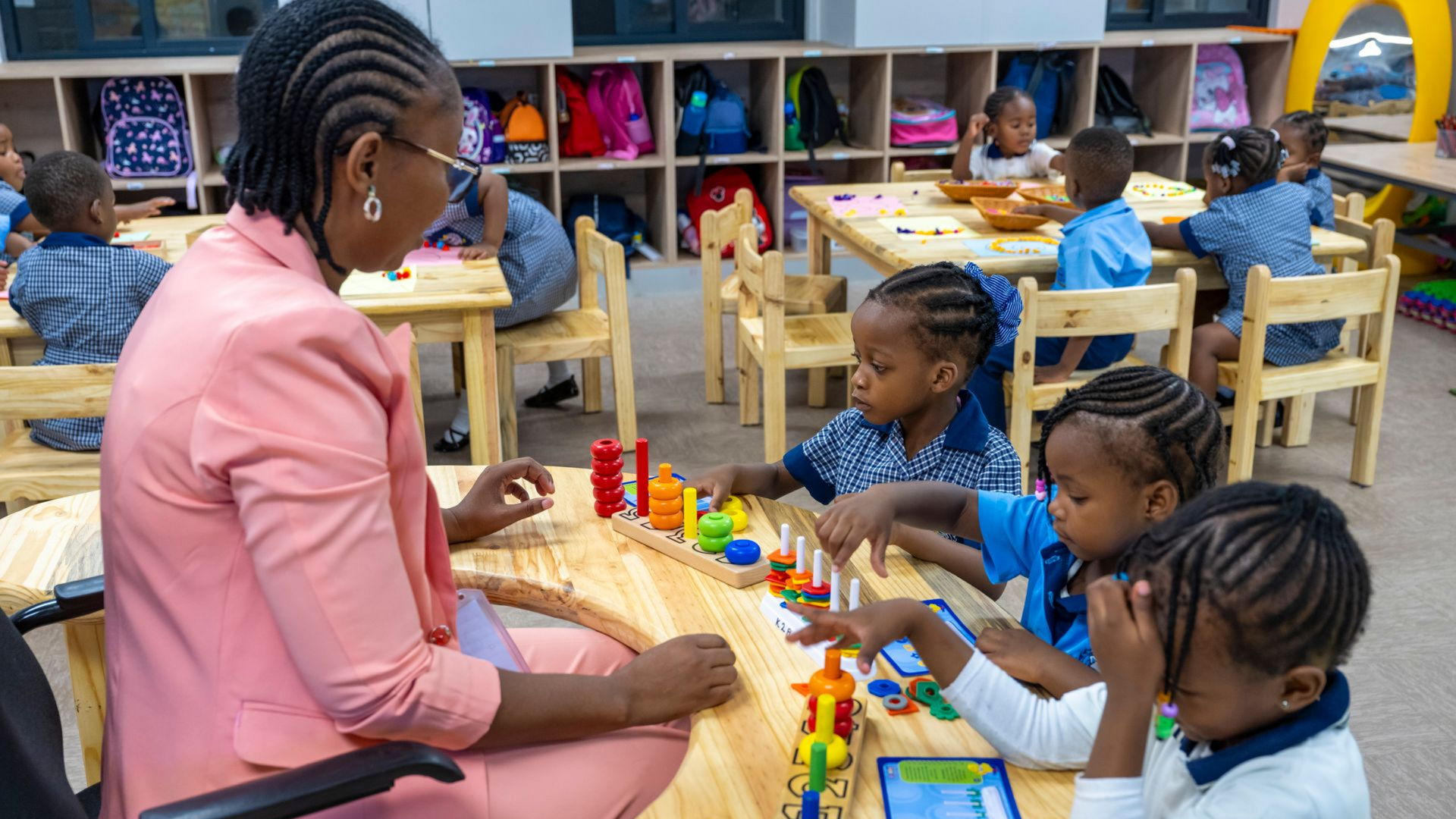
Experienced, qualified teachers remain one of the biggest differentiators between schools. Parents should also consider whether educators act as mentors who genuinely know and support their students. Smaller class environments and personalised attention can significantly impact confidence, engagement, and long-term achievement.
3. Global exposure and future readiness
In an increasingly interconnected world, international-mindedness has become an important advantage. Schools that expose students to diverse perspectives, cultures, and global opportunities help children develop adaptability, communication skills, and confidence beyond their local environment.
“At GIS, we believe education should broaden horizons,” says Raubenheimer. “Students should feel equipped to engage with the world confidently while still remaining grounded in strong values and a sense of belonging.”
4. Well-rounded development matters
Experts caution against focusing only on academics. Sport, music, drama, leadership opportunities, debate, and community involvement all contribute to developing resilience, teamwork, and self-confidence. These experiences often shape character as much as classroom learning.
5. School culture and values
A school’s culture can influence a child’s daily experience more than parents realise. Families should observe how students interact, whether diversity is embraced, and whether children appear engaged and supported. Respect, inclusion, and a sense of belonging are often signs of a healthy school environment.
6. Well-being and support systems
Parents are increasingly prioritising emotional well-being alongside academic performance. Schools with strong pastoral care, counselling support, and attentive staff create environments where students feel safe, valued, and heard. Education specialists note that children are more likely to succeed when they feel emotionally supported.
7. Facilities that enable learning
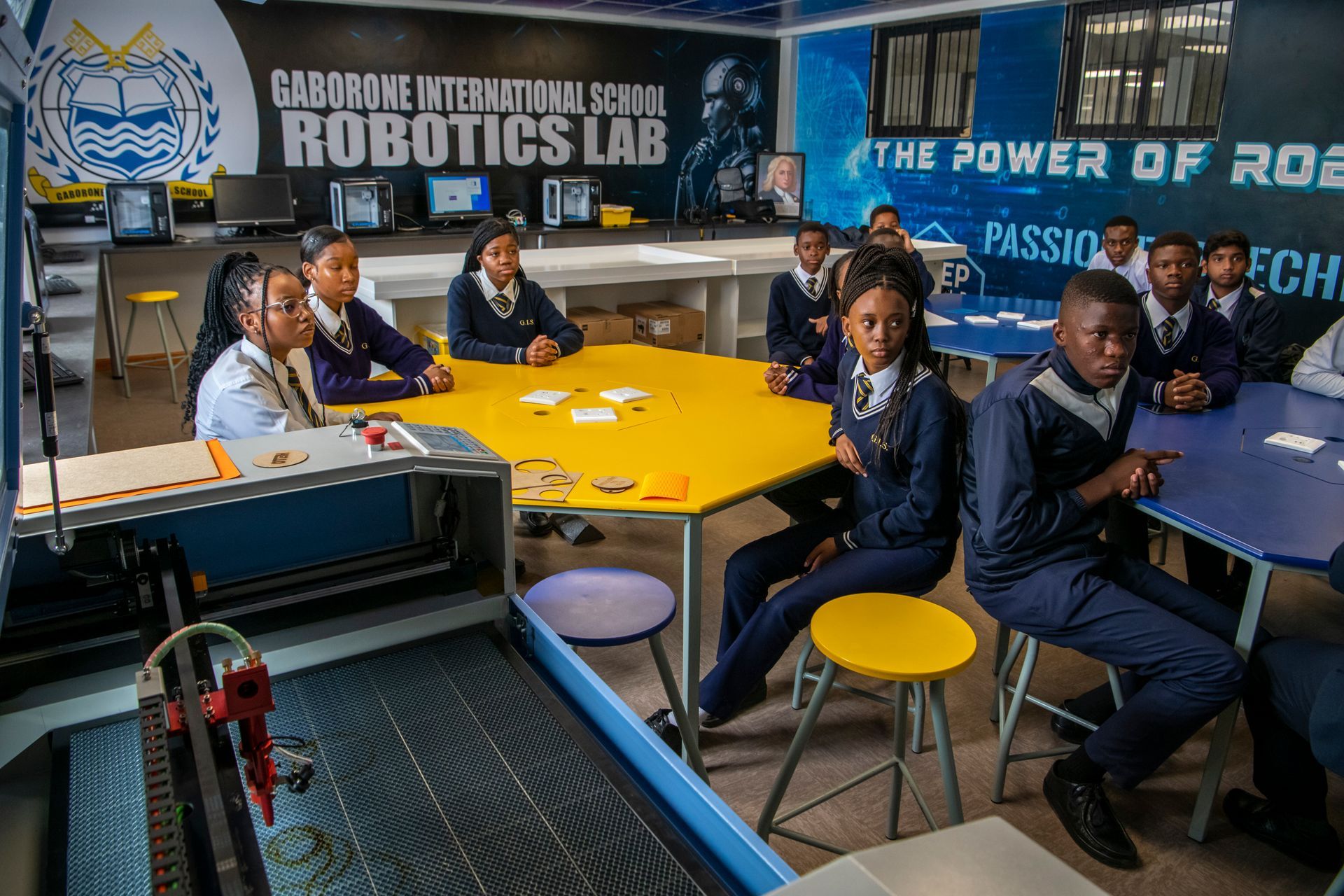
Modern classrooms, science laboratories, technology integration, libraries, and sporting facilities all play an important role. However, parents should consider whether these facilities genuinely enhance learning and exploration rather than simply serving as marketing features.
8. Stability and long-term reputation
Choosing a school also means evaluating consistency and sustainability. Parents should look at leadership stability, academic track record, accreditation, and the school’s long-term vision. A trusted school community often reflects years of consistent investment in quality education.
Ensure that you visit schools in person, ask detailed questions, and take time to understand what makes each institution different.
“Every child is unique, and the right school fit matters enormously,” Raubenheimer adds. “Parents should look for a school where their child will be challenged, supported, inspired, and truly known as an individual.”
As families navigate the decision-making process, one message remains clear: choosing a school is about far more than selecting a curriculum. It is about finding an environment that will shape a child’s confidence, character, and future potential for years to come.