Every Student Deserves a Place Where Curiosity is Celebrated

April 8, 2026

In a rapidly changing world, education can no longer be defined by textbooks alone. It must inspire, challenge, and ignite a lifelong love of learning. At the heart of this transformation is a simple but powerful belief: every student deserves a place where curiosity is not only welcomed—but deliberately cultivated.


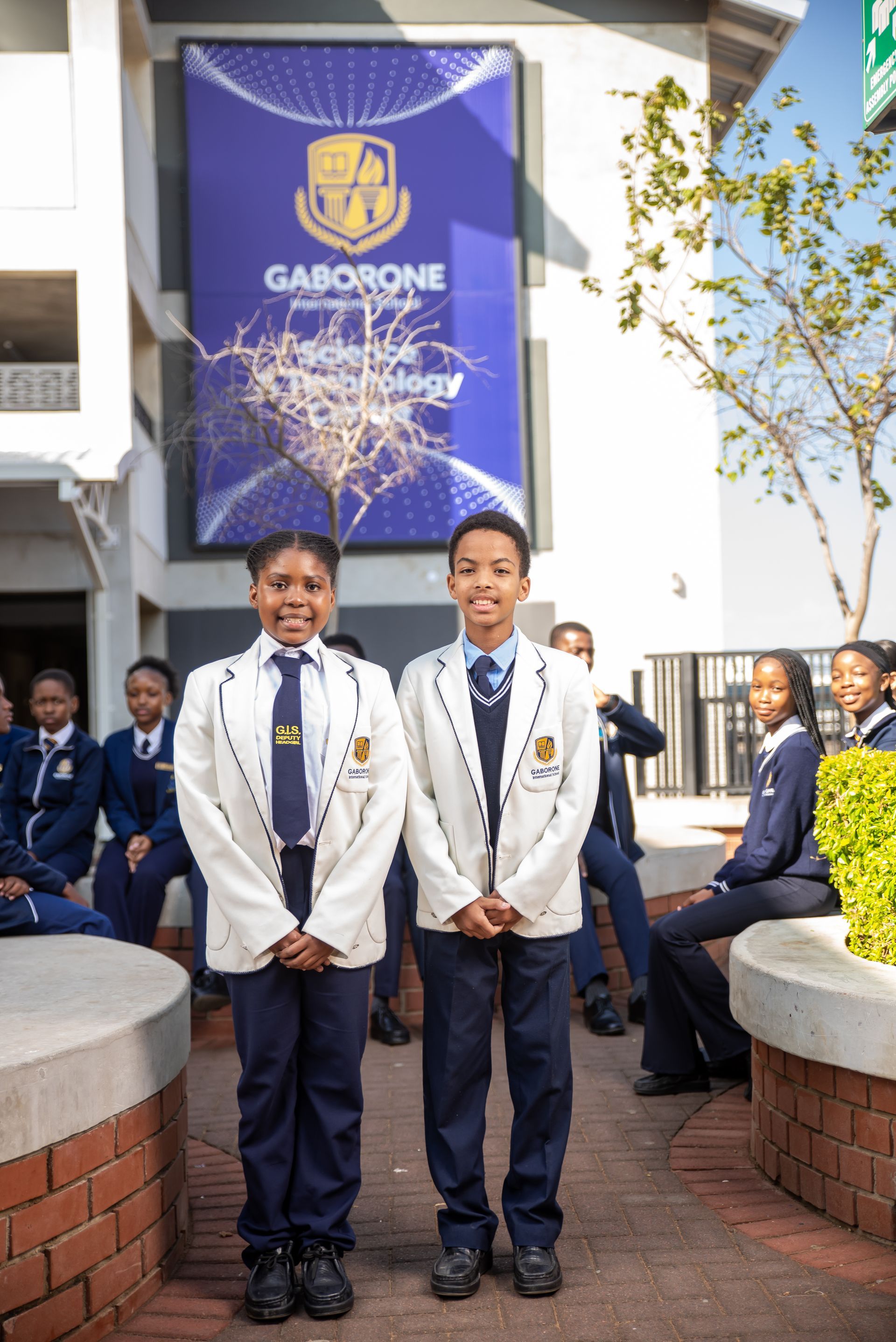
In Botswana, this idea is increasingly shaping how leading institutions think about education. Nowhere is this more evident than in the recent evolution of Gaborone International School (GIS), whose rebranding reflects more than a refreshed identity. It signals a deeper commitment to aligning environment, philosophy, and student experience in ways that are both contemporary and grounded while being underpinned by an unwavering commitment to quality education


At its core, a school must first be a place where students feel secure, known, supported, and understood. Pastoral care, often understated in conversations about academic success, plays a defining role in this. At GIS, there is a growing emphasis on ensuring that each student is seen not just as a learner, but as an individual navigating both academic and personal development. Structures that support wellbeing, mentorship, and open communication create an atmosphere where students feel safe to take intellectual risks. Curiosity, after all, thrives where there is trust.


This sense of care is balanced by a strong culture of discipline, one that is not imposed for its own sake, but cultivated as a framework for growth. Discipline, in this context, is about consistency, accountability, and respect. It teaches students to manage their time, honour commitments, and engage constructively with challenges. Rather than restricting curiosity, it gives it direction, ensuring that exploration is purposeful and sustained.


Equally important is the role of tradition and culture in shaping the school environment. Even as GIS embraces innovation and modernisation, it remains anchored in values that promote respect, integrity, and community. A diverse, international student body brings with it a richness of perspectives, and the school’s culture encourages students to both celebrate difference and find common ground. In this balance between global outlook and local relevance, students develop a broader understanding of Botswana, the world and their place within it.


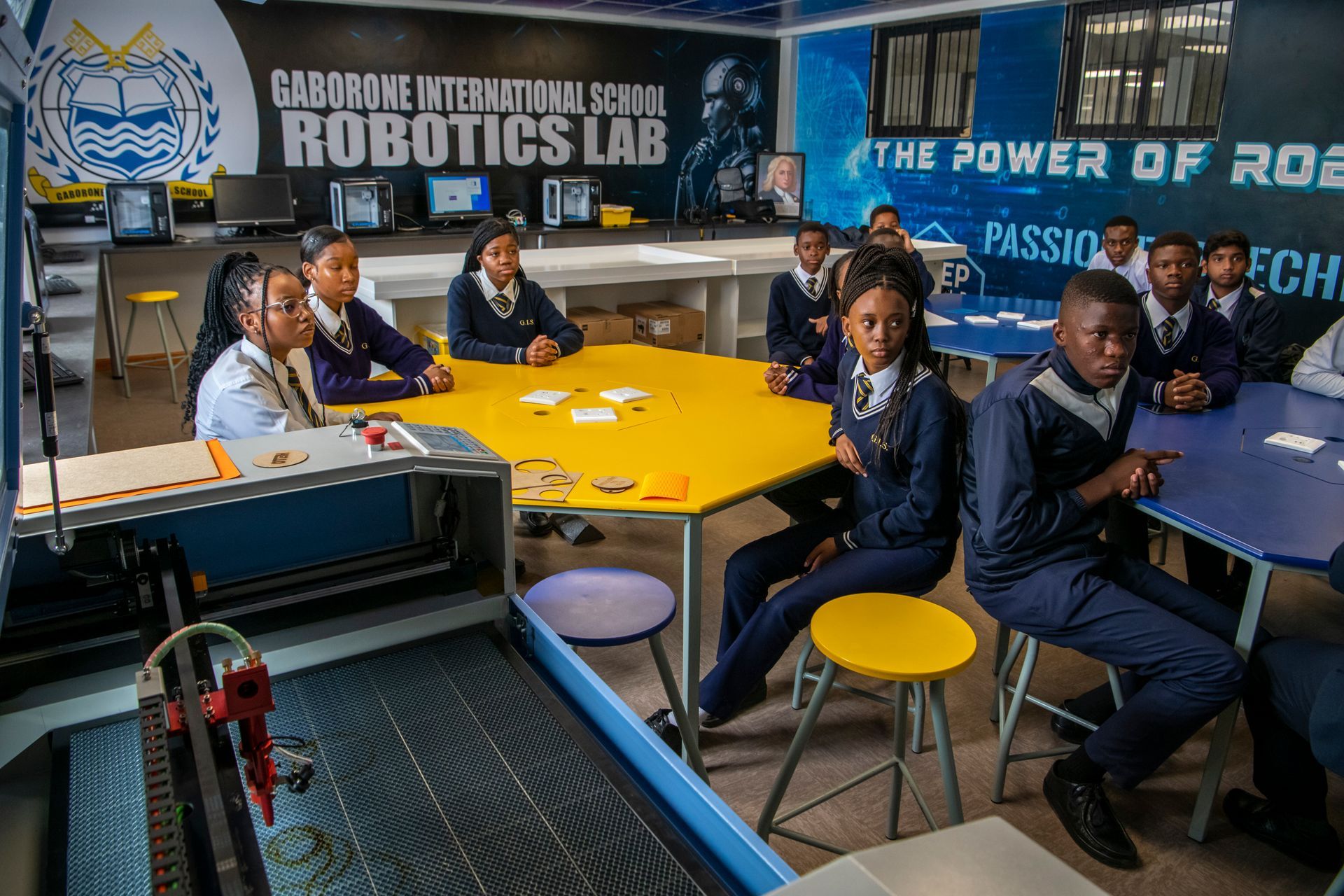
The physical environment reinforces these values. Purpose-built science laboratories, collaborative learning spaces, robotics labs, and digital hubs provide students with the tools to explore ideas beyond theory. These spaces are not simply about access to technology, they are about creating opportunities for hands-on, inquiry-driven learning.


Supporting this is a philosophy that recognises that each student’s learning journey is unique. The integration of adaptive technologies and responsive teaching methods allows educators to tailor learning experiences, ensuring that students are both challenged and supported. This personalised approach moves beyond standardised expectations, focusing instead on helping each learner reach their full potential.


At the center of it all are educators who understand that their role extends beyond instruction. They guide, mentor, and challenge students, encouraging them to think critically, ask better questions, and engage deeply with their learning. Ongoing professional development ensures that teaching remains dynamic, informed by global best practices while rooted in the needs of the local context.


What emerges from this alignment of care, culture, discipline, and innovation is an environment that feels both structured and open. Students are given the freedom to explore, within a framework that supports their growth. They learn not only to question the world around them, but to do so with responsibility, empathy, and purpose.


The rebranding of Gaborone International School, then, can be understood as a reflection of this balance. It is not about changing direction, but about clarifying intent, about creating a school experience that is as attentive to character as it is to capability.


Because when students are supported holistically, when they are cared for, guided by values, and equipped with the right tools, curiosity does more than flourish.


It becomes the foundation upon which confident, disciplined, and compassionate individuals are built.
June 26, 2026
By Andrison Muzinda: Head of Standard 7 GIS Parent: 1. Will AI replace teachers? 2. Should my child be using AI at school? These are questions I hear often from parents, and they are understandable. Artificial Intelligence is becoming part of everyday life, from the phones we use to the way we work. Naturally, parents want to know what it means for their children's education. As an educator, I have learnt that the real question is not whether children will use AI, but how schools can guide them to use it responsibly, ethically and effectively. The answer lies in a partnership that is technology working hand in hand with excellent teaching. AI is a tool, not a Replacement The best schools, like Gaborone International School, have always adapted to change while keeping children's needs at the centre. AI is not different. In my experience, the most meaningful learning still happens through strong relationships when a teacher notices a child's growth in confidence, a class discussion that sparks curiosity or a moment when a learner finally understands a difficult concept. AI cannot replace these human experiences. What it can do is help teachers personalise learning and give students more opportunities to grow. Personalised Learning One of the greatest strengths of AI is its ability to adapt learning to each child. In Gaborone International School, platforms such as AdvLearn provide learners with targeted practice and immediate feedback, helping them master concepts at their own pace. On the other hand, assessment tools like MAP (Measures of Academic Progress) allow teachers to identify strengths and areas for improvement, enabling instruction that is tailored to individual needs rather than a one-size-fits-all approach. For younger learners, AI supported Guided Readers can recommend books at the right reading level and monitor progress, helping children build confidence and develop a love of reading. As teachers, we still interpret the data, encourage learners and make professional decisions. AI simply gives us better information to support every child. Creativity and Innovation Responsible use of AI also means preparing children for the future. This is why our school introduced robotics programmes, where learners design, build and programme solutions to real-world problems while developing creativity, teamwork and problem-solving skills. We also use Virtual Reality headsets to transform learning experiences. For instance, learners explore the solar system as if they are travelling through space. These immersive experiences make learning memorable and meaningful. The goal is not to impress students with technology but to deepen understanding and inspire curiosity. Ethics Matters Of course, with great opportunities come important responsibilities. Children need guidance on when and how to use AI. They must learn to think critically, verify information and understand that AI-generated content is not always accurate. At Gaborone International School, this means teaching digital citizenship alongside digital skills. Students should know that AI can help them brainstorm ideas or practise concepts, but it should never replace their own thinking, creativity or integrity. As educators, we have a duty to model responsible use and to create clear guidelines that protect learners while encouraging innovation. What Parents Can Do Parents do not need to be AI experts; instead, they should ask their children questions like: How are you using AI at school? What are you learning from using AI? Is AI helping you to think differently? These conversations teach children that technology is most powerful when paired with curiosity, good judgment, and strong values. Takeaway AI is changing education, and that change brings exciting possibilities. When used thoughtfully, tools such as AdvLearn, MAP, Guided Readers, robotics and VR can enrich learning and help children thrive. However, the heart of education remains unchanged: caring teachers, supportive families and young people who are encouraged to think, question and dream. The schools that will lead the future are not those that simply adopt the latest technology but the ones that use it responsibly, keeping children at the centre of every decision, and that is exactly the kind of future every parent wants for their child.
June 24, 2026
What Parents Should Really Look For
June 12, 2026
Using Assessment Insights to Personalise Support and Improve Learner Outcomes