Strong academic outcomes are not accidental.

July 14, 2026

It is the outcome of a carefully designed ecosystem that supports learners every day.

RESULTS THAT MATTER


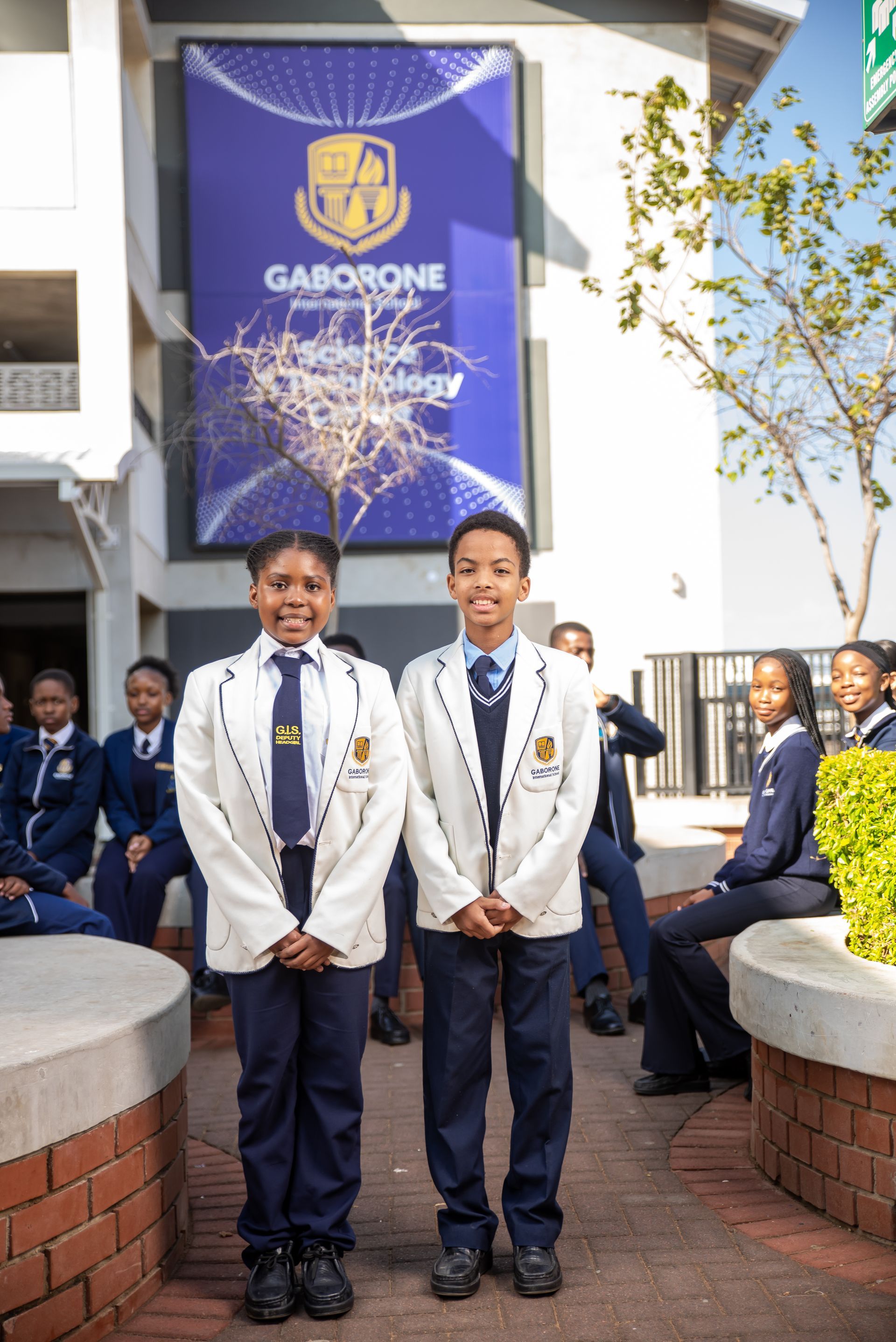
When parents evaluate a school's academic results, they often see the final outcome: examination passes, awards, and university placements. What is less visible are the systems, culture, and support structures that make those outcomes possible year after year. At Gaborone International School (GIS), we believe that academic success is not accidental. It is the result of a carefully designed ecosystem that helps every learner reach their full potential.


A FOUNDATION OF ACADEMIC EXCELLENCE


Strong results begin with strong systems. GIS combines experienced teachers, internationally benchmarked MAP assessments, Guided Readers in the Primary School, and AI-supported learning through ADvLEARN to ensure every learner receives the support and challenge they need to succeed. These systems have helped contribute to consistently strong academic outcomes, including a 100% IGCSE pass rate, over 300 A and A* grades achieved in 2025, and a 100% PSLE pass rate in Primary School.


EXPERT TEACHERS MAKE THE DIFFERENCE


Great schools are built on having great teachers. At GIS, 100% of teachers hold recognised teaching qualifications, while 57% hold degrees and 15% hold master's qualifications. Our teachers participate in ongoing professional development and have completed more than 1,000 training courses in 2025 alone. This commitment to continuous improvement ensures students benefit from current best practice and high-quality teaching every day.


WORLD-CLASS LEARNING ENVIRONMENTS


Learning is most effective when students are engaged, curious, and inspired. GIS provides seven science laboratories, two robotics labs, two libraries, ten computer rooms, a dedicated digital lab for younger pre-school learners, multiple sports facilities, and technology-enabled learning spaces. These environments encourage exploration, collaboration, creativity, and critical thinking beyond the traditional classroom.


VALUES, DISCIPLINE AND WELLBEING


Academic achievement flourishes when students feel supported and understand the importance of responsibility, resilience, and self-discipline. Guided by our values of Integrity, Growth, Excellence, and Generosity of Spirit, GIS combines strong pastoral care with dedicated wellbeing support, including a full-time educational psychologist and a dedicated Deputy Head of Discipline and Student Wellbeing.


LEARNING BEYOND THE CLASSROOM


Education extends far beyond examinations. Students have access to a wide range of sporting, cultural, leadership, and enrichment opportunities, including swimming, tennis, basketball, soccer, chess, public speaking, Moot Court, Math Olympiads, music, and community initiatives. These experiences help develop confidence, resilience, teamwork, leadership, and communication skills that prepare students for success in life.


PREPARING LEARNERS FOR A CHANGING WORLD


Today's students need more than academic knowledge. GIS invests heavily in educational technology, including robotics laboratories, 3D printers, laser cutters, drones, virtual reality equipment, interactive whiteboards, and more than 200 computers and 85 iPads. These resources help students develop the digital literacy, creativity, and problem-solving skills required in a rapidly evolving world.


RESULTS THAT TRULY MATTER


As part of Advtech International, one of Africa's largest private education groups, GIS benefits from access to international best practice, strong governance, continuous investment, and a connected network of educational expertise. The result is an educational experience that develops academically capable, globally aware, and values-driven young people.

At GIS, the results that matter are not only measured in examination scores. They are reflected in confident learners, strong character, and students who are prepared to thrive in an ever-changing world

June 26, 2026
By Andrison Muzinda: Head of Standard 7 GIS Parent: 1. Will AI replace teachers? 2. Should my child be using AI at school? These are questions I hear often from parents, and they are understandable. Artificial Intelligence is becoming part of everyday life, from the phones we use to the way we work. Naturally, parents want to know what it means for their children's education. As an educator, I have learnt that the real question is not whether children will use AI, but how schools can guide them to use it responsibly, ethically and effectively. The answer lies in a partnership that is technology working hand in hand with excellent teaching. AI is a tool, not a Replacement The best schools, like Gaborone International School, have always adapted to change while keeping children's needs at the centre. AI is not different. In my experience, the most meaningful learning still happens through strong relationships when a teacher notices a child's growth in confidence, a class discussion that sparks curiosity or a moment when a learner finally understands a difficult concept. AI cannot replace these human experiences. What it can do is help teachers personalise learning and give students more opportunities to grow. Personalised Learning One of the greatest strengths of AI is its ability to adapt learning to each child. In Gaborone International School, platforms such as AdvLearn provide learners with targeted practice and immediate feedback, helping them master concepts at their own pace. On the other hand, assessment tools like MAP (Measures of Academic Progress) allow teachers to identify strengths and areas for improvement, enabling instruction that is tailored to individual needs rather than a one-size-fits-all approach. For younger learners, AI supported Guided Readers can recommend books at the right reading level and monitor progress, helping children build confidence and develop a love of reading. As teachers, we still interpret the data, encourage learners and make professional decisions. AI simply gives us better information to support every child. Creativity and Innovation Responsible use of AI also means preparing children for the future. This is why our school introduced robotics programmes, where learners design, build and programme solutions to real-world problems while developing creativity, teamwork and problem-solving skills. We also use Virtual Reality headsets to transform learning experiences. For instance, learners explore the solar system as if they are travelling through space. These immersive experiences make learning memorable and meaningful. The goal is not to impress students with technology but to deepen understanding and inspire curiosity. Ethics Matters Of course, with great opportunities come important responsibilities. Children need guidance on when and how to use AI. They must learn to think critically, verify information and understand that AI-generated content is not always accurate. At Gaborone International School, this means teaching digital citizenship alongside digital skills. Students should know that AI can help them brainstorm ideas or practise concepts, but it should never replace their own thinking, creativity or integrity. As educators, we have a duty to model responsible use and to create clear guidelines that protect learners while encouraging innovation. What Parents Can Do Parents do not need to be AI experts; instead, they should ask their children questions like: How are you using AI at school? What are you learning from using AI? Is AI helping you to think differently? These conversations teach children that technology is most powerful when paired with curiosity, good judgment, and strong values. Takeaway AI is changing education, and that change brings exciting possibilities. When used thoughtfully, tools such as AdvLearn, MAP, Guided Readers, robotics and VR can enrich learning and help children thrive. However, the heart of education remains unchanged: caring teachers, supportive families and young people who are encouraged to think, question and dream. The schools that will lead the future are not those that simply adopt the latest technology but the ones that use it responsibly, keeping children at the centre of every decision, and that is exactly the kind of future every parent wants for their child.
June 24, 2026
What Parents Should Really Look For
June 12, 2026
Using Assessment Insights to Personalise Support and Improve Learner Outcomes