Advancing Education with Technology in Gaborone

Gaborone International School • February 26, 2024

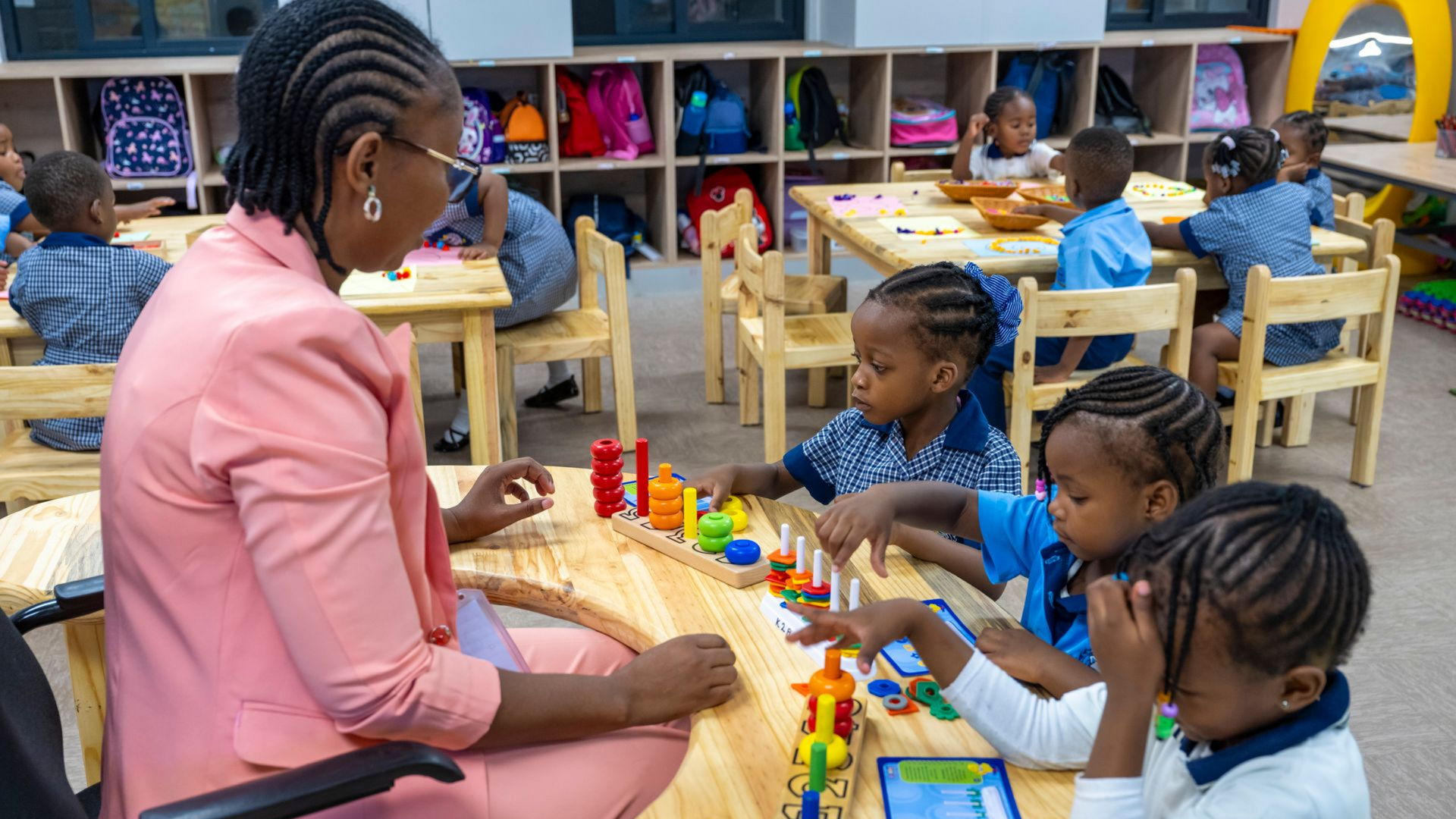
Technology integration at Gaborone International School has undergone a significant transformation in recent years, reshaping the education delivery and experience landscape. Embracing the digital era, GIS has adopted Stasy as a digital learning platform and implemented Learning Management Systems (LMS) to facilitate seamless online collaboration, resource distribution, and assignment management.


Understanding the benefits of the Learning Management Systems (LMS)


In line with personalised learning, GIS has incorporated adaptive learning assessment software, tailoring instructional content and pace to individual student levels. This approach ensures a customised educational journey for each student. Moreover, teachers at GIS utilise diverse online resources and educational apps to complement traditional textbooks, enriching the learning experience and promoting a multifaceted understanding of subjects.


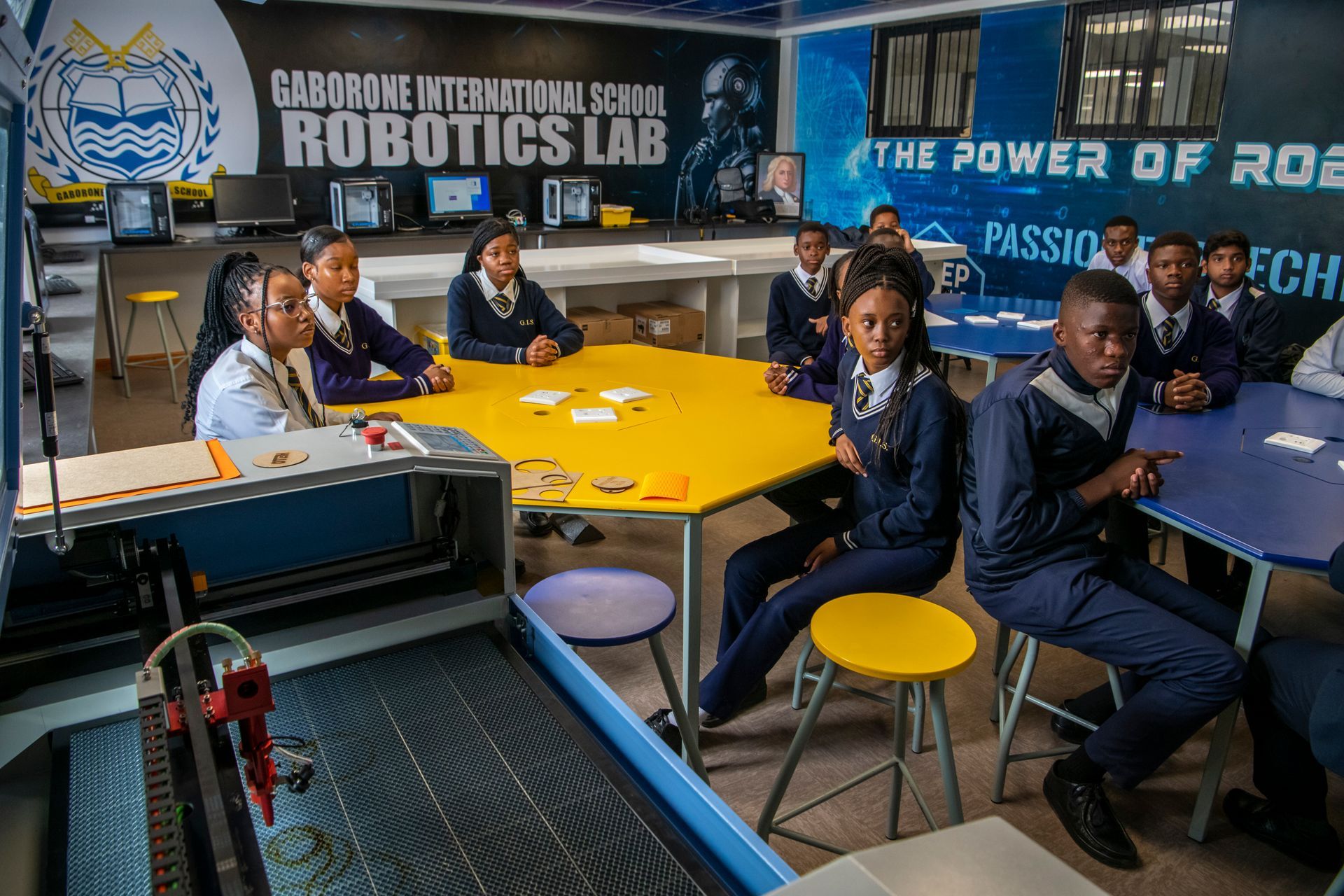
Breaking new ground, GIS has introduced coding and robotics into its curriculum. Students actively engage with programming languages and robotics kits, fostering problem-solving skills and deepening their technology comprehension. To enhance the learning process further, GIS has integrated gamification through programs like Purple mash, making education informative and engaging for students.

GIS emphasises cybersecurity education, recognising the importance of cybersecurity in the digital age. Students are educated about responsible online behaviour, digital citizenship, and the significance of safeguarding personal information. This holistic approach ensures that students can navigate the online world responsibly.


Integrating technology into education at GIS has yielded numerous benefits for students. They now have access to a wealth of information, experience interactive learning environments, collaborate effectively, and benefit from efficient assessment and feedback mechanisms. The dynamic blend of traditional and technological methods positions GIS at the forefront of contemporary education, preparing students for future challenges.
 

June 12, 2026
Using Assessment Insights to Personalise Support and Improve Learner Outcomes
June 11, 2026
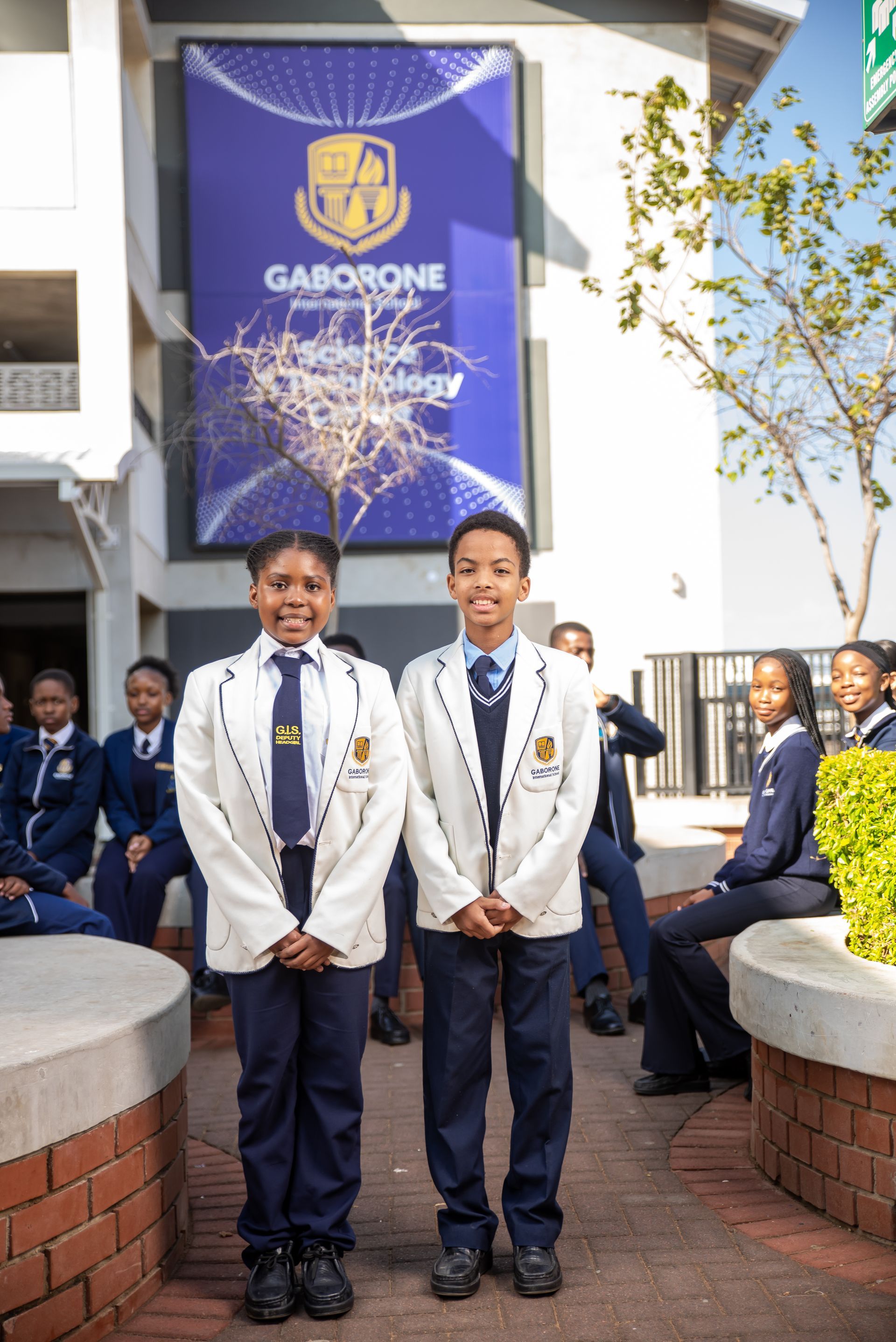
At Gaborone International School, we often speak to parents who carry both excitement and concern about their children’s future. Many wonder whether their child will cope with academic pressure, adapt to independent living overseas, stay emotionally strong, or successfully compete in an increasingly global world. These are very real concerns, and as educators, we see it as our responsibility to prepare students not only for examinations, but for life beyond school. Academic excellence remains a strong foundation. Through the Cambridge IGCSE curriculum, students develop internationally recognised qualifications that open doors to universities around the world. Our students consistently achieve outstanding results, and many can study abroad directly after IGCSE without needing AS Level studies. The strength of First Language English at GIS, together with the fact that learning and communication across the school happen in English, also gives students an important advantage when applying internationally. However, future success is about far more than grades alone. To prepare students further, GIS regularly hosts visits from international universities, including institutions from South Africa, Switzerland, and Canada. These engagements help learners and parents better understand global opportunities and career pathways. Students also participate in excursions to companies, institutions, and factories, giving them valuable exposure to different professions and working environments. One of the greatest transformations I have personally witnessed involved a student who began as extremely shy and reserved. She rarely spoke publicly and lacked confidence in her abilities. Over time, through opportunities provided by the school, she slowly found her voice. Today, she runs her own student career guidance consultancy and even speaks at national events. Her journey is a reminder that confidence can be taught, nurtured, and developed when students are consistently encouraged to step forward. GIS intentionally creates those opportunities. Students participate in debate and public speaking clubs, present during assemblies from Form 1, facilitate workshops, elect class monitors, and choose their own sports captains. During Entrepreneurship Day, students run their own business stalls and experience real decision-making, teamwork, and responsibility. Through Culture Week, students celebrate diversity and learn to appreciate different backgrounds and perspectives. These experiences help students become adaptable, confident, and culturally aware — qualities universities and employers increasingly value. Equally important is learner support. We understand that academic pressure can affect confidence and well-being. GIS has a resident psychologist who supports students emotionally and psychologically, while our restorative approach to discipline focuses on growth rather than punishment. I have seen learners who once struggled with anxiety and mental blocks go on to perform exceptionally well in their final examinations because they felt supported, understood, and guided. The world our children are entering is also rapidly changing technologically. GIS responds to this through Robotics, EdTech, and a strong focus on future-ready skills. Together with the ADvTECH Global Competency Skills and RDI (Respect, Diversity, and Inclusion) frameworks, and Community Service programmes, students are taught adaptability, collaboration, leadership, empathy, and responsible global citizenship from an early age. Ultimately, our goal at GIS is simple: to help every learner achieve their aspirations. We want students to leave our school academically strong, emotionally grounded, culturally aware, and confident enough to thrive anywhere in the world.
June 8, 2026
What Global Standards Mean for Your Child’s Future