The Role of Personalized Learning in Student Success

July 21, 2026

Every Student learns differently! Think about it like this; In the real world, we customize our coffee orders, hairstyles, our music playlists, and occasionally take our own clothes to the tailor to get a perfect fit in line with our our tastes. All this is done to provide the best customer service as well as for the customer to cherish it. So, why should our children’s educational journeys be treated differently? From time immemorial until now, the education system has evolved drastically from the former traditional teaching where the teacher was ‘Mr. I know it All, where learners were just like passive passengers on an intellectual train to the current modern approach known as Personalized Learning.

When put together, Personalized Learning’ means teachers provide targeted learning towards each student’s unique learning needs, interests, learning styles and modify their experiences. Personalized Learning ensures every lesson is resourceful, relevant and engaging with all students, which helps them grasp concepts taught more effectively leaving them with a touch of confidence in themselves.


How Do Personalized Learning Approaches Support Different Learning Styles and Learner Progress?

As educators at Gaborone International School, we understand that learning how our learners process information is not just beneficial to them, but it is a crucial part of our work to become excellent at our jobs and in ensuring every student succeeds in their academic journey.

At GIS, we adopt these four famous and common learning styles for our learners:


1.    Visual Learners


  • These are learners who understand and remember things best when they see them.
  • Thus, as teachers at GIS, we make use of PowerPoint Presentations, use information in diagrammatic form, images/pictures and videos while teaching our students. Our growing innovative techniques with digital equipment; for example, making use of projectors and iPads with learners has proven very helpful to these specific learners.


2.    Auditory Learners:

  • These learn best by hearing information and they remember spoken words.
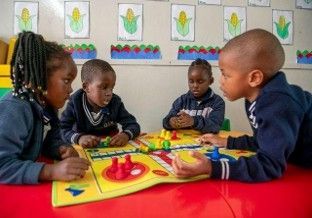
  • For these students, we make use of assigning group tasks to certain subtopics in a topic/question and once a set time is over, we push for students to teach it /explain it to the whole class (peer teaching). Additionally, rather than the teacher delivering all the information, learners are given a chance to collaborate with each other, and this makes them retain concepts taught easily.


3.    Kinesthetic Learners:

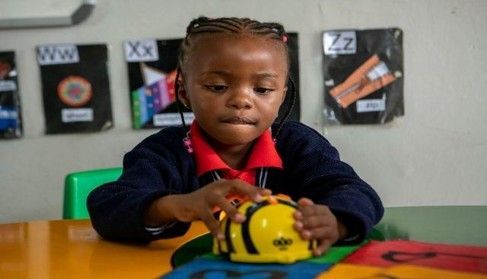
  •  These learners enjoy hands-on activities, they learn quicker by doing & moving or changing seating positions.
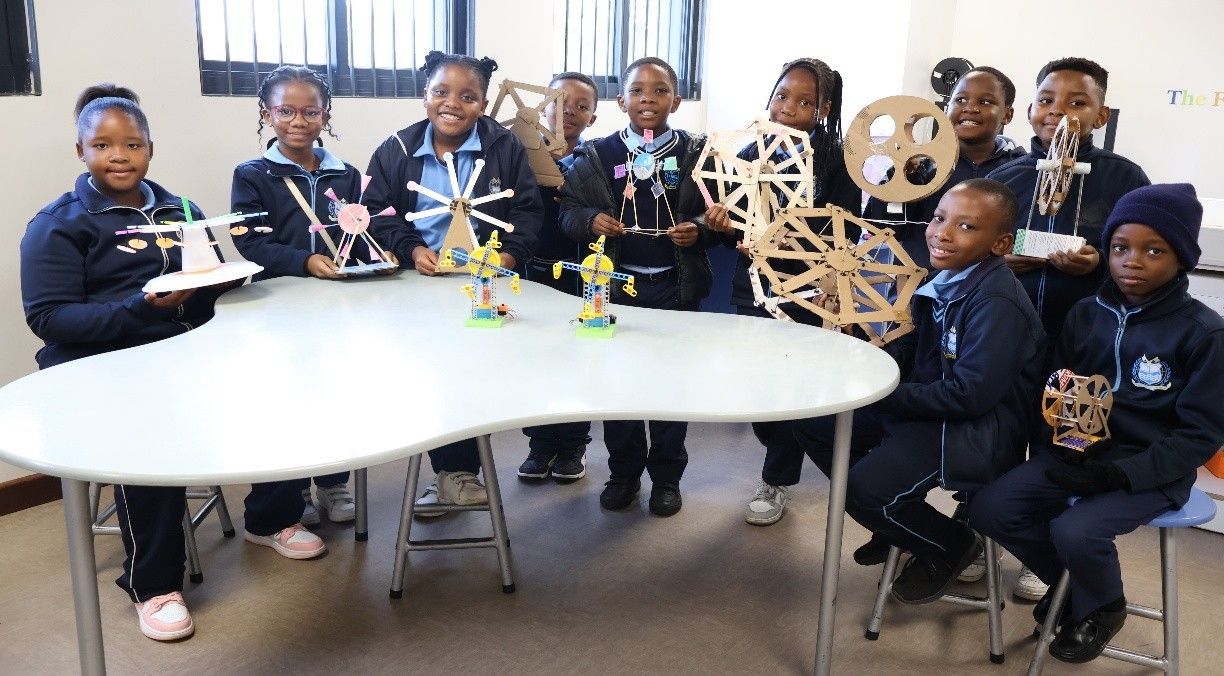
  • DIY Ferris Wheels by Std 3 Learners during a Robotics lesson
  • As teachers, we try to make this possible as they engage in different specialist subjects. For example, However, we can make these learners get involved as we take them to the labs, Music, Art, PE and making use of buildings blocks/models. This way, learners can 10 channel their energy productively without disrupting their concentration span.


4.    Reading /Writing Learners:

  •  These are learners who understand better when they read and write things down.
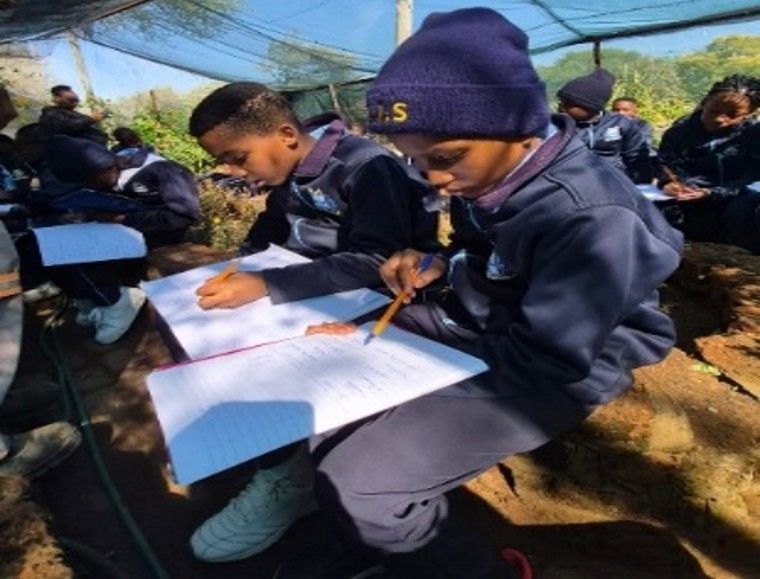
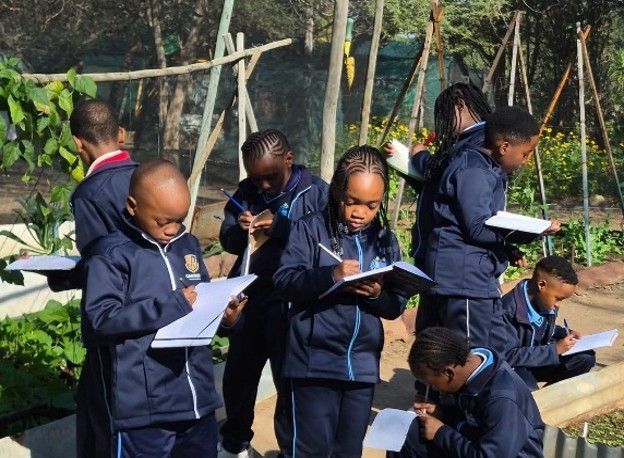
  • This one is a classic traditional style where students write notes during class, read out loud what is on the board, and they love reading articles. In the Lower Primary school, particularly Standard 1 to 3, our Guided Readers program takes care of such learners.


By adding all these techniques to how we teach learners, it has helped us to answer a lot of questions our parents had and remove anxieties as they drop off their children at school each day. This makes them confident that their children are treated as individuals with unique talents and goals and are given room to thrive in a system that values them more and allows self-advocacy and the best to come out of them.
July 21, 2026
A message from the Deputy Principal: Hillary Siandula
July 14, 2026
It is the outcome of a carefully designed ecosystem that supports learners every day.
June 26, 2026
By Andrison Muzinda: Head of Standard 7 GIS Parent: 1. Will AI replace teachers? 2. Should my child be using AI at school? These are questions I hear often from parents, and they are understandable. Artificial Intelligence is becoming part of everyday life, from the phones we use to the way we work. Naturally, parents want to know what it means for their children's education. As an educator, I have learnt that the real question is not whether children will use AI, but how schools can guide them to use it responsibly, ethically and effectively. The answer lies in a partnership that is technology working hand in hand with excellent teaching. AI is a tool, not a Replacement The best schools, like Gaborone International School, have always adapted to change while keeping children's needs at the centre. AI is not different. In my experience, the most meaningful learning still happens through strong relationships when a teacher notices a child's growth in confidence, a class discussion that sparks curiosity or a moment when a learner finally understands a difficult concept. AI cannot replace these human experiences. What it can do is help teachers personalise learning and give students more opportunities to grow. Personalised Learning One of the greatest strengths of AI is its ability to adapt learning to each child. In Gaborone International School, platforms such as AdvLearn provide learners with targeted practice and immediate feedback, helping them master concepts at their own pace. On the other hand, assessment tools like MAP (Measures of Academic Progress) allow teachers to identify strengths and areas for improvement, enabling instruction that is tailored to individual needs rather than a one-size-fits-all approach. For younger learners, AI supported Guided Readers can recommend books at the right reading level and monitor progress, helping children build confidence and develop a love of reading. As teachers, we still interpret the data, encourage learners and make professional decisions. AI simply gives us better information to support every child. Creativity and Innovation Responsible use of AI also means preparing children for the future. This is why our school introduced robotics programmes, where learners design, build and programme solutions to real-world problems while developing creativity, teamwork and problem-solving skills. We also use Virtual Reality headsets to transform learning experiences. For instance, learners explore the solar system as if they are travelling through space. These immersive experiences make learning memorable and meaningful. The goal is not to impress students with technology but to deepen understanding and inspire curiosity. Ethics Matters Of course, with great opportunities come important responsibilities. Children need guidance on when and how to use AI. They must learn to think critically, verify information and understand that AI-generated content is not always accurate. At Gaborone International School, this means teaching digital citizenship alongside digital skills. Students should know that AI can help them brainstorm ideas or practise concepts, but it should never replace their own thinking, creativity or integrity. As educators, we have a duty to model responsible use and to create clear guidelines that protect learners while encouraging innovation. What Parents Can Do Parents do not need to be AI experts; instead, they should ask their children questions like: How are you using AI at school? What are you learning from using AI? Is AI helping you to think differently? These conversations teach children that technology is most powerful when paired with curiosity, good judgment, and strong values. Takeaway AI is changing education, and that change brings exciting possibilities. When used thoughtfully, tools such as AdvLearn, MAP, Guided Readers, robotics and VR can enrich learning and help children thrive. However, the heart of education remains unchanged: caring teachers, supportive families and young people who are encouraged to think, question and dream. The schools that will lead the future are not those that simply adopt the latest technology but the ones that use it responsibly, keeping children at the centre of every decision, and that is exactly the kind of future every parent wants for their child.