Raising Responsible and Accountable Adults
By Keitumetse Kgabo, Resident Educational Psychologist, Gaborone International School
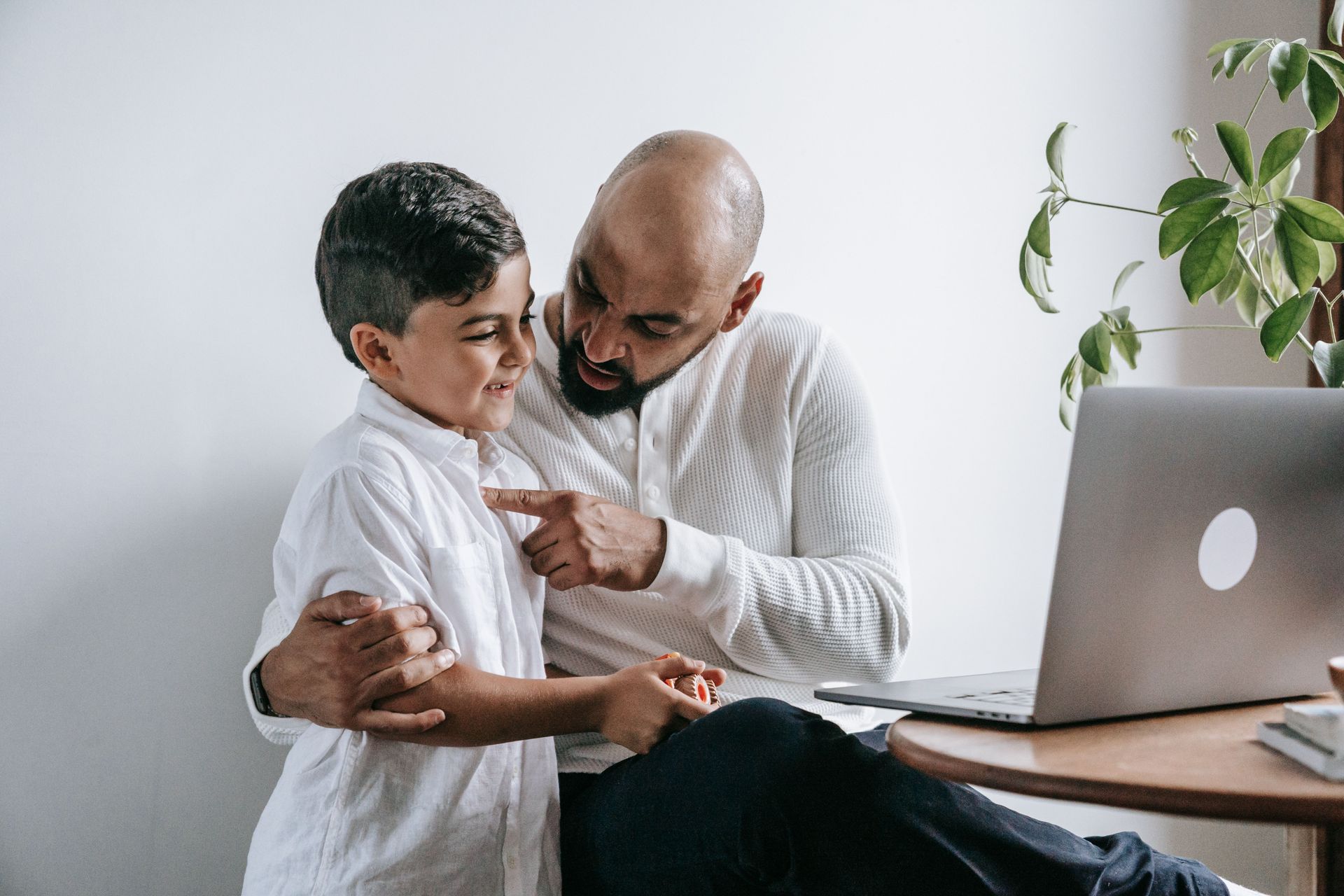
Responsible and accountable adults do not simply emerge when children grow older. The foundations for these qualities are developed throughout childhood, through the relationships, experiences, boundaries and guidance that shape how children understand themselves and the world around them.
Raising a child is both a privilege and a responsibility. While children may inherit certain temperamental characteristics, their environment also plays an important role in shaping how they relate to others, respond to challenges and make decisions. Parents, caregivers, teachers and other significant adults all contribute to this development.
Children learn not only from what we tell them, but from what we model. The way adults communicate, manage conflict, treat others and respond to mistakes can teach powerful lessons about respect, responsibility and accountability. The people children spend time with, the content they consume and the ideas they encounter also influence their developing worldview.
This makes consistency important. Children benefit from clear expectations, appropriate boundaries and adults who help them understand both the value of responsible behaviour and the consequences of their choices. Recognising positive behaviour, addressing inappropriate behaviour and giving children opportunities to take age-appropriate responsibility all help develop self-discipline and sound judgement.
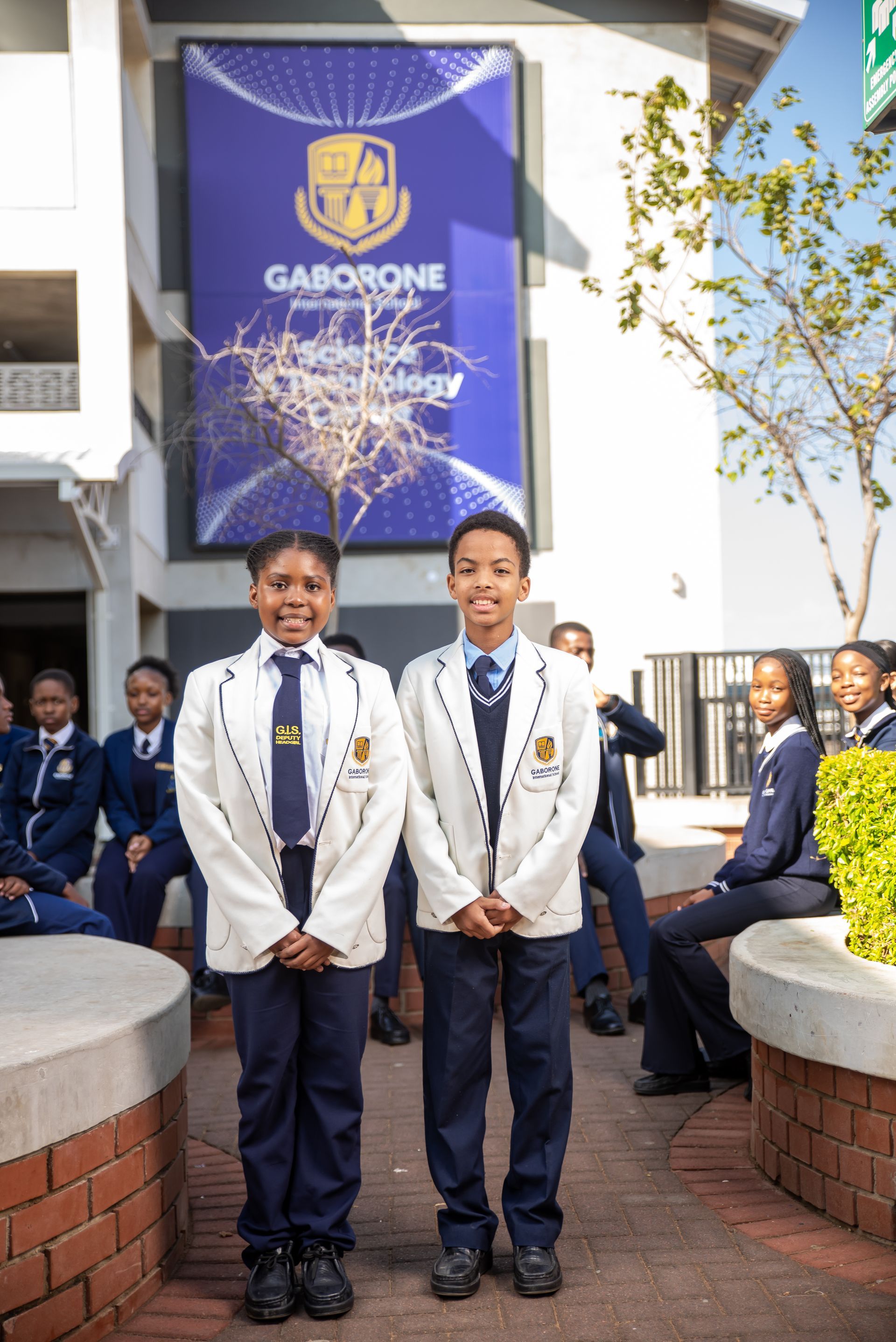
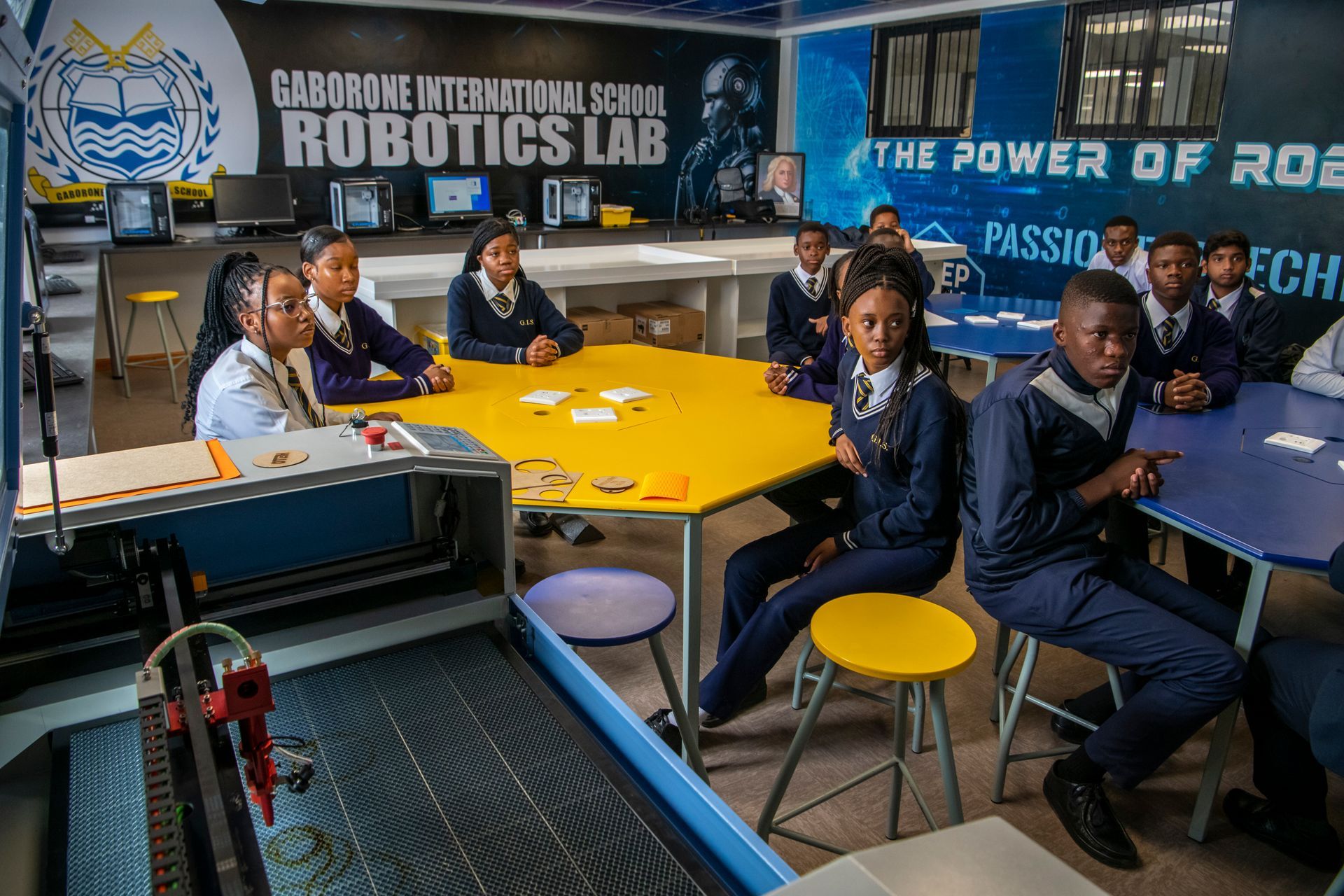
At Gaborone International School, we recognise that preparing learners for the future extends beyond academic achievement. Their emotional wellbeing, relationships, behaviour and developing sense of self are equally important to their growth.
This is why having an on-site psychologist forms an important part of the GIS environment. Learners have access to professional support within the school setting, while parents and educators have an additional resource to help understand and support each child's individual needs. Psychological support can also help learners develop self-awareness, emotional regulation, healthy relationships and the confidence to navigate challenges.
Ultimately, raising responsible and accountable young people is a shared journey. Children need guidance and boundaries, but they also need adults who listen, model the values they hope to see and support them as they learn to make responsible choices for themselves.
When we nurture the whole child, we are not simply preparing learners to succeed at school. We are helping them develop the character, self-discipline and confidence to become capable and responsible adults.