Ai In Education: Supporting Teachers, Not Replacing Them

June 27, 2025

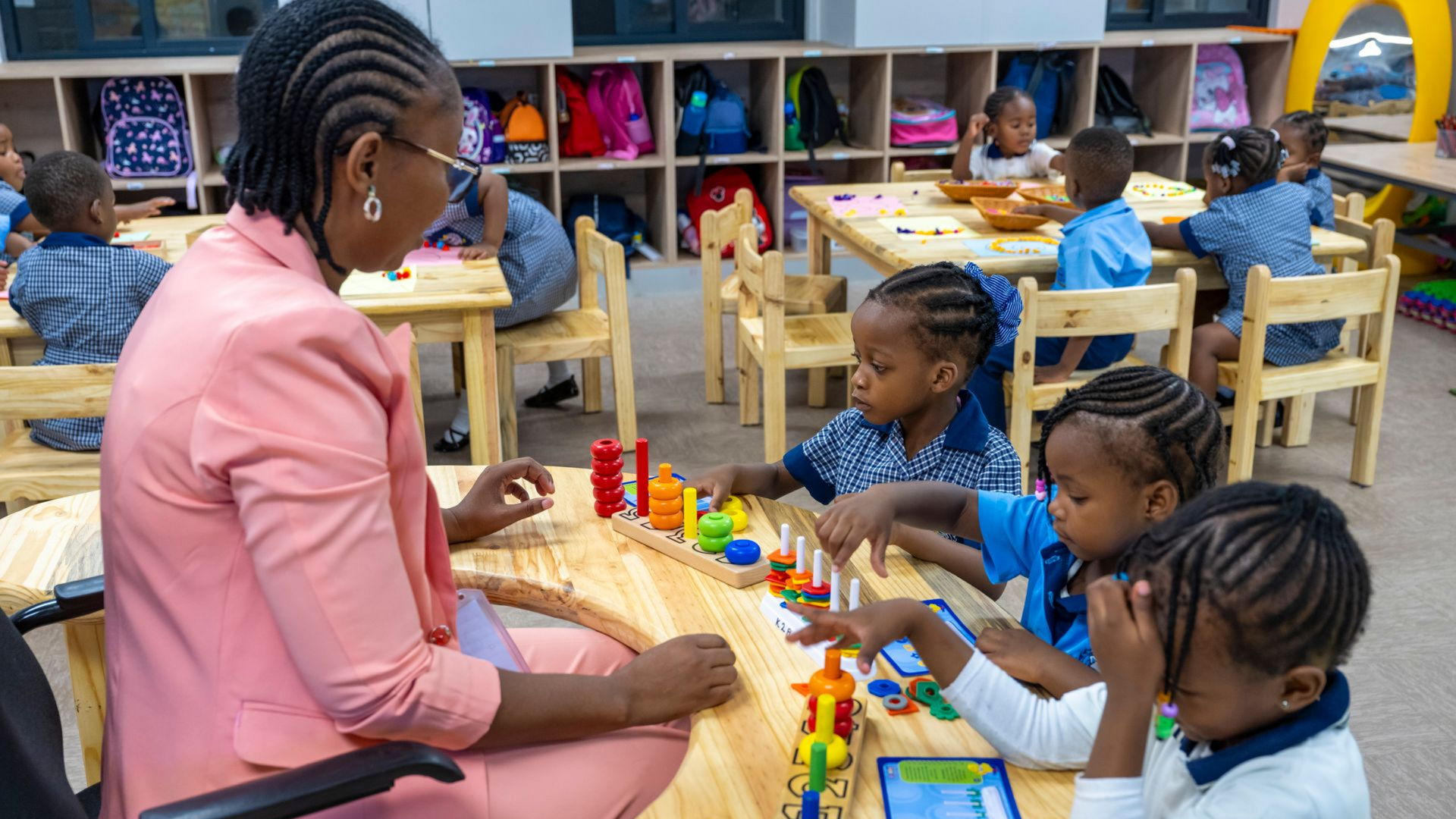
It is undeniable that AI in education, even though still in relative infancy, has a multiplier effect on student outcomes. An overview of the substantial impact of individualised learning on student performance over the past few years, combined with an insight into daily advances in real life, has the potential to raise concern about the role of human educators in classrooms.


Are teachers becoming obsolete? Not quite.


While it is true that AI’s role is growing by the day, it is in fact not replacing teachers, but rather changing the role of teachers, an education expert says.


“We have, over the past 3 years, seen a 20% improvement in student performance, with AI and individualised learning having become the order of the day,” says Desiree Hugo, Academic Head at ADvTECH Schools.


AI in education isn’t a case of students having access to ChatGPT – it is a vastly more considered strategy leveraging proprietary tools and platforms. ADvTECH’s ADvLEARN Intelligent Tutoring System is a prime example, utilising AI to craft individualised learning paths that allow students to advance at their own speed. This system empowers data-guided instruction while fostering independent learning across various subjects.


“Adaptive learning technologies leverage data-driven analysis to personalise educational content, pacing, and assessments based on each student's unique needs. These solutions, which include intelligent tutoring systems and learning management platforms, enable educators to tailor instruction efficiently without increasing their workload, when integrated effectively,” says Hugo.


“For students, this creates a customised, engaging, and encouraging experience, whether they’re building core skills or exploring complex topics. For educators, it delivers real-time insights to refine teaching approaches, ensuring all students achieve progress.”


AI systems are fast moving in the direction of students being able to learn completely independently, which then raises the question – what about the teachers? Will in-person schools still be a thing? Or will future learning consist of young people working alone, in front of their screens?

“Adopting best international practices in AI implementation is critical to staying at the forefront of educational excellence. However, the narrative around AI in education must be clear: AI is a powerful tool to support, not replace, teachers,” says Hugo.


“The human element in teaching, in particular empathy, creativity, and mentorship, remains irreplaceable, and AI’s role is to enhance these supportive opportunities, ensuring teachers remain central to the learning experience, while time-consuming repetitive tasks become the domain of AI.”


The integration of AI into education really is a best-case scenario, allowing overworked teachers to get back to their unique strengths, Hugo says.


WHY TEACHERS WILL REMAIN AN IMPORTANT PART OF THE EDUCATIONAL LANDSCAPE


While AI excels at processing data and delivering personalised content, it lacks the human qualities that ensures an exceptional, holistic education. In the age of AI, the role of teachers will remain important in the following areas:


  • Emotional connection and empathy -  Learning is deeply human, driven by relationships. Teachers understand students’ emotional needs, motivate them through challenges, and celebrate their successes. No algorithm can replicate the encouragement of a teacher who notices a student’s potential or the trust built through years of mentorship.


  • Fostering creativity and critical thinking - AI can provide information, but teachers guide students to question, innovate, and think critically. In a world increasingly shaped by AI, skills like ethical reasoning, collaboration, and creative problem-solving, nurtured by teachers, are essential. Curricula, like the IEB, IB and Cambridge systems, emphasize these skills, and ADvTECH’s commitment to global standards positions its teachers as key drivers of this development.


  • Cultural and contextual nuance - South Africa’s diverse educational landscape requires teachers who understand local contexts, languages, and cultural dynamics. Teachers bridge the gap between AI and real-life context, ensuring learning is relevant and inclusive.


“The fear that AI will replace teachers stems from a misunderstanding of its purpose, combined with the stunning realisation of its ability to improve student outcomes. But AI is not a substitute for human connection. Rather, it is a catalyst for unlocking teacher potential. It empowers teachers to do what they do best: inspire, guide, and transform lives.


“Imagine a classroom where AI handles repetitive tasks, provides real-time student insights, and suggests tailored resources, while the teacher focuses on sparking debates, nurturing talents, and building confidence. This is the future that educational institutions must champion - a future where technology supports human excellence, not replaces it.”

By Principal: Mr Thomas Ramakgoakgoa January 26, 2026
A New Beginning Walking into high school for the first-time marks more than your first day of school; it marks the first step into a community that believes in shaping not only your mind, but your character. As you walked into this hall, you became part of a school that stands firmly on three pillars: Generosity, Integrity, and Self-Discipline . These words are not decorations on a slide; they are the heartbeats of our culture. They describe the kind of person we hope you will become and the kind of student who thrives here. 2. Generosity: The Strength of a Giving Heart Generosity is more than sharing what you have; it is sharing who you are . It shows in the small, everyday actions: offering help when no one asks, listening when a classmate struggles, choosing kindness even when it is not the easiest choice. As your orientation programme highlights, you are entering a community that values being helpful, warm-hearted, considerate, and thoughtful. Generosity builds trust, and trust builds strong teams, friendships, and classrooms. “We rise by lifting others.” 3. Integrity: Doing What Is Right, Even When Unseen Integrity is the quiet voice inside you that says, “Be honest. Be sincere. Be the best version of yourself.” It is the foundation of responsibility, whether that means completing your assignments truthfully, respecting school spaces, or carrying yourself with honour in every interaction. Your presentation reminds you that integrity is about honesty, uprightness, sincerity, and trustworthiness. When integrity guides your choices, people learn they can rely on you, and more importantly, you learn to rely on yourself . “Integrity is choosing courage over comfort.” 4. Self-Discipline: The Driver of Your Success Self-discipline is the ability to manage your thoughts, your behaviour, and your emotions so that you can reach your goals. It is showing determination in your studies, balancing your work and activities, and staying consistent even when distractions feel tempting. In this school, self-discipline is not imposed; it is developed. It grows each time you set goals, follow instructions, respect routines, greet teachers, take care of your environment, and take responsibility for your own learning, just as the orientation sessions will guide you today. “Discipline is the bridge between goals and accomplishment.” 5. What These Three Values Look Like in Daily Life Here at GIS, these values take shape in very practical ways: Generosity shows when you include others, support your classmates, and contribute positively during group work. Integrity shows when you follow the code of conduct, wear your uniform with pride, and uphold the standards introduced to you today. Self-discipline shows when you manage your time, focus during lessons, and commit yourself to excellence, in academics, in sports, and in behaviour. Together, these values do more than make you a good student; they help you become a grounded, confident, and capable young person. 6. Closing: The Journey Ahead As you begin this new chapter, remember that GIS is not only a school, but also a community where you will grow, learn, and discover who you are becoming. The expectations set out today are not barriers; they are pathways. Pathways designed to help you develop character, build resilience, and walk confidently toward your future. Carry generosity in your actions, integrity in your decisions, and self-discipline in your journey. Here at GIS, who you become matters just as much as what you achieve. Welcome to your new beginning.
By Ackisilia Matsveru October 3, 2025
In today’s connected world, young people grow up in a digital society where learning, friendships, and entertainment all happen online. At GIS, we see this not only as a reality to manage, but as an opportunity to empower our learners. Digital citizenship education is about much more than keeping students safe, it is about equipping them to use technology ethically, confidently, and effectively so they can thrive in the digital age. Why Digital Citizenship Matters Every post, click, or share leaves a digital footprint. These footprints can shape a learner’s reputation, relationships, and even their future opportunities. At GIS, students are taught to manage their online presence responsibly and make ethical choices. Through ICT lessons and the use of integrated platforms such as Microsoft Teams, Stasy, MAP, and ADvLEARN , learners don’t just study the theory of online safety, they practise it every day. Each GIS student logs in with personalised accounts, develops strong digital ethics, and is discouraged from behaviours that could lead to cybercrime.
August 21, 2025
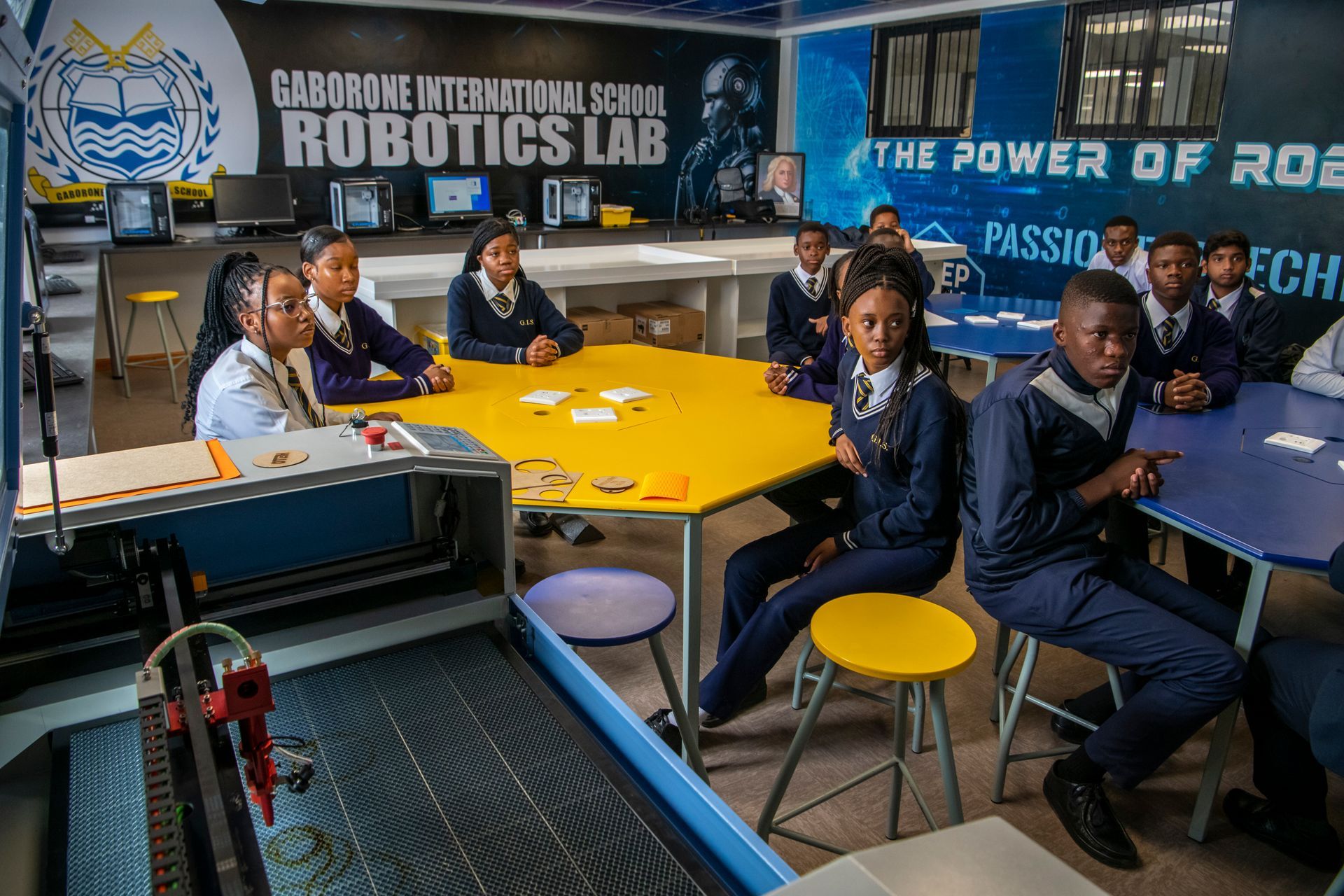
Selecting a school for your child is one of the most important decisions you’ll make as a parent. A good school nurtures not just academic growth, but also social, emotional, and moral development. A good school does not only allow parents to dream of possibilities for their children but also assist in making those dreams become realities! With so many options available, public and private, it’s essential to know what to look for in making this important decision. During your next visit to a prospective school for your precious child, put some consideration towards the following important aspects of a school: 1. A Strong Educational Foundation Check for a clear and balanced curriculum that emphasizes core subjects like reading, math, science, and the arts. Ask about teaching methods and how the school measures progress. Look for schools that promote critical thinking, problem-solving, and creativity. Reputable schools produce excellent results, annually. At GIS we use Guided Readers, a digital platform for Standard 1-3 which gauges the reading ability of individual students. We also use ADvLEARN in Standard 7, Form 1-4 which uses adaptive technology to give tailor-made mathematics exercises to meet students where they are at, building them up to where they should be and beyond! Our campus is equipped with seven ICT labs, five physics/chemistry labs and two robotics labs. Our teachers are all equipped with laptos, projectors and sound bars to bring the class to life! We also have drones, VR-headsets, lazar cutters and 3-D printers – equipping our students to gain valuable experiences, preparing them for the real world! 2. Dedicated and Qualified Staff Meet the teachers and staff. Are they approachable, qualified, and passionate about education? A supportive, well-trained teaching staff can make a huge difference in your child’s learning experience. At GIS, all our teachers are qualified with 25% of our staff holding post-graduate degrees i.e. Masters and Honours Degrees. Another 46% hold degrees i.e. B.A, BEd or BSc. with the remainder of 29% holding a teaching diploma or equivalent. Our teachers enjoy regular training opportunities through our internal training platform, Sirius. Our teachers are thus life-long learners themselves, passionate about education and best-practice. We care about our individual students’ wellbeing and remain in close contact with parents throughout their child’s educational journey with us. 3. Registration, Health and Safety It is imperative to select a school which is registered with the necessary authorities as an operating school. All schools are bound by specific health and safety regulations with proven steps taken to comply. GIS High School is registered with Cambridge. The Primary School is registered with the Ministry of Education for PSLE examinations at the end of Standard 7. Being part of ADvTECH means that the school is subjected to rigorous health and safety protocol with internal and external audits being carried out annually. 4. A Positive School Culture Tour the school to observe the environment. Are students engaged and respectful? Do teachers and administrators seem enthusiastic and caring? A positive, inclusive atmosphere contributes significantly to a child’s confidence and motivation. We are proud to share that GIS-students hail from 32 different countries. We truly celebrate our unique cultures and individual strengths. Even so, we are grounded in Botswana values, taking care of our community and environment. Have a look out for our community service projects and participation in environmental programmes often shared on social media. 4. Student Support and Enrichment Opportunities Look for a school that provides more than just academics—such as counselling services, extracurricular activities, clubs, sports, and arts programs. These contribute to a well-rounded education and help children discover their interests and talents. At GIS, we have an on-site psychologist who assist with academic support and counselling. We also have a dedicated Deputy Principal of Pastoral Care and Discipline, ensuring that students are guided through each phase while reaching their full potential. Students can select from a vast range of extra-mural activities including but not limited to soccer, netball, swimming, athletics, basketball, table tennis, spelling bee competitions, maths Olympiads, debate and moot court. 5. Parental Involvement Strong schools often welcome parent engagement. Whether through regular communication or active partnerships between home and school, it truly supports student success. At the end of every academic term, parents are invited to our campus to meet with their children’s teachers to discuss the term’s progress and results. Parents are also invited to termly Coffee with the Heads of Schools during which important updates are shared. Parents are always welcome to reach out to our teachers and school management to support where needed. Final Thoughts Choosing the right school is a deeply personal decision. Take your time to visit, ask questions, and trust your instincts. Remember: the best school is the one where your child feels safe, supported, and inspired to learn!  Allow us to dream with you and assist your child to ascend to their aspirations! You are invited to visit our school and to meet our principals.