Creating Pre-School Classrooms Where Students Feel Safe to Learn

August 11, 2026

My child is shy to ask for anything, and I realised that the teacher at his previous school was not welcoming or friendly to the children.

Victoria Mutema

HOD/Reception Teacher


How will you help my child gain his confidence back?" This is the most asked question by parents.


As a parent, there is nothing more reassuring than knowing your child feels safe, happy, and valued at school. When a child has had a negative classroom experience, it is natural to worry about whether they will trust another teacher or feel confident enough to participate again.


The encouraging news is that children are incredibly resilient. With patience, kindness, and the right support, confidence can be rebuilt.


At Gaborone International Pre-School, we believe that learning begins with emotional safety. Before children can confidently ask questions, explore new ideas, or make friends, they need to know that they are in a place where they are respected, accepted, and cared for.


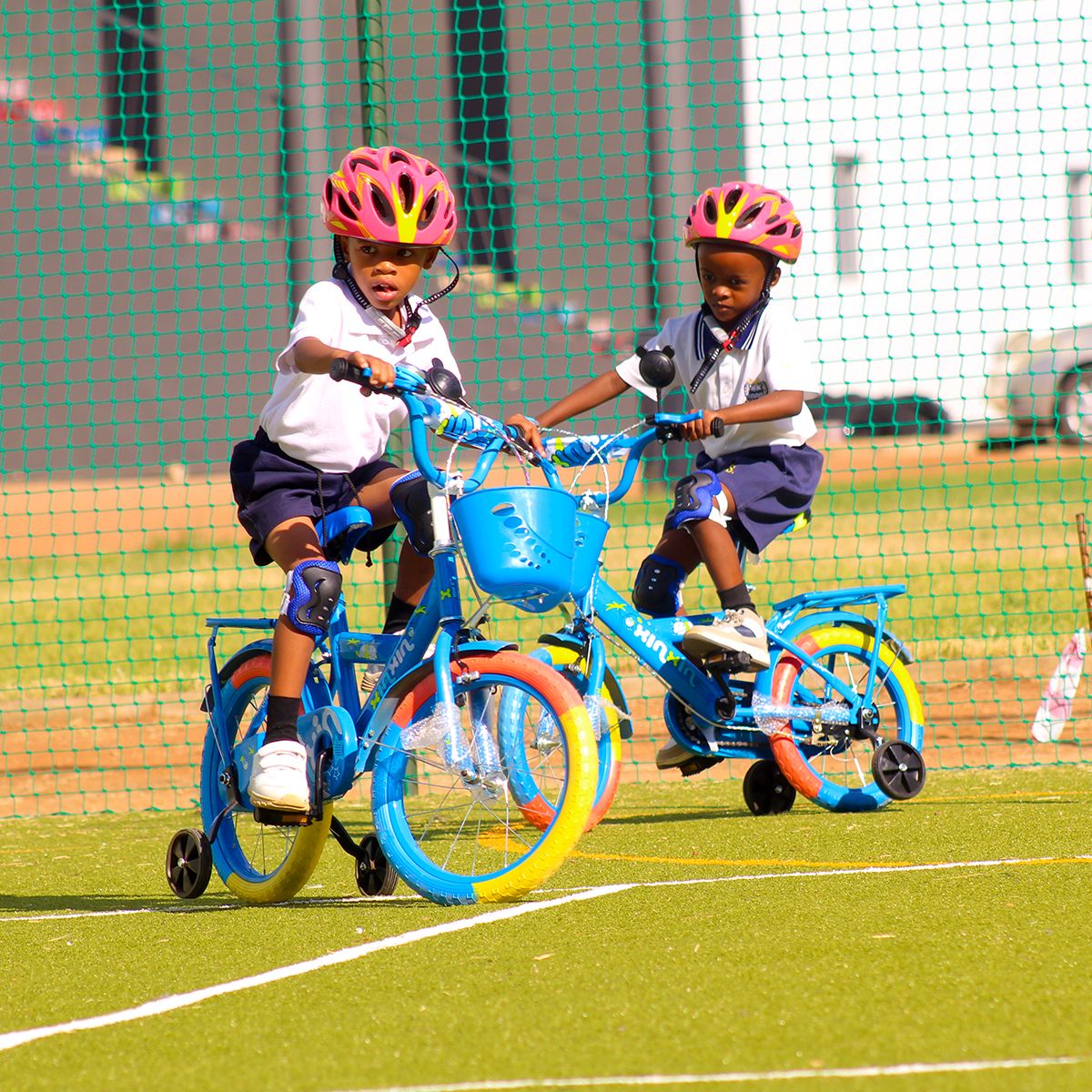
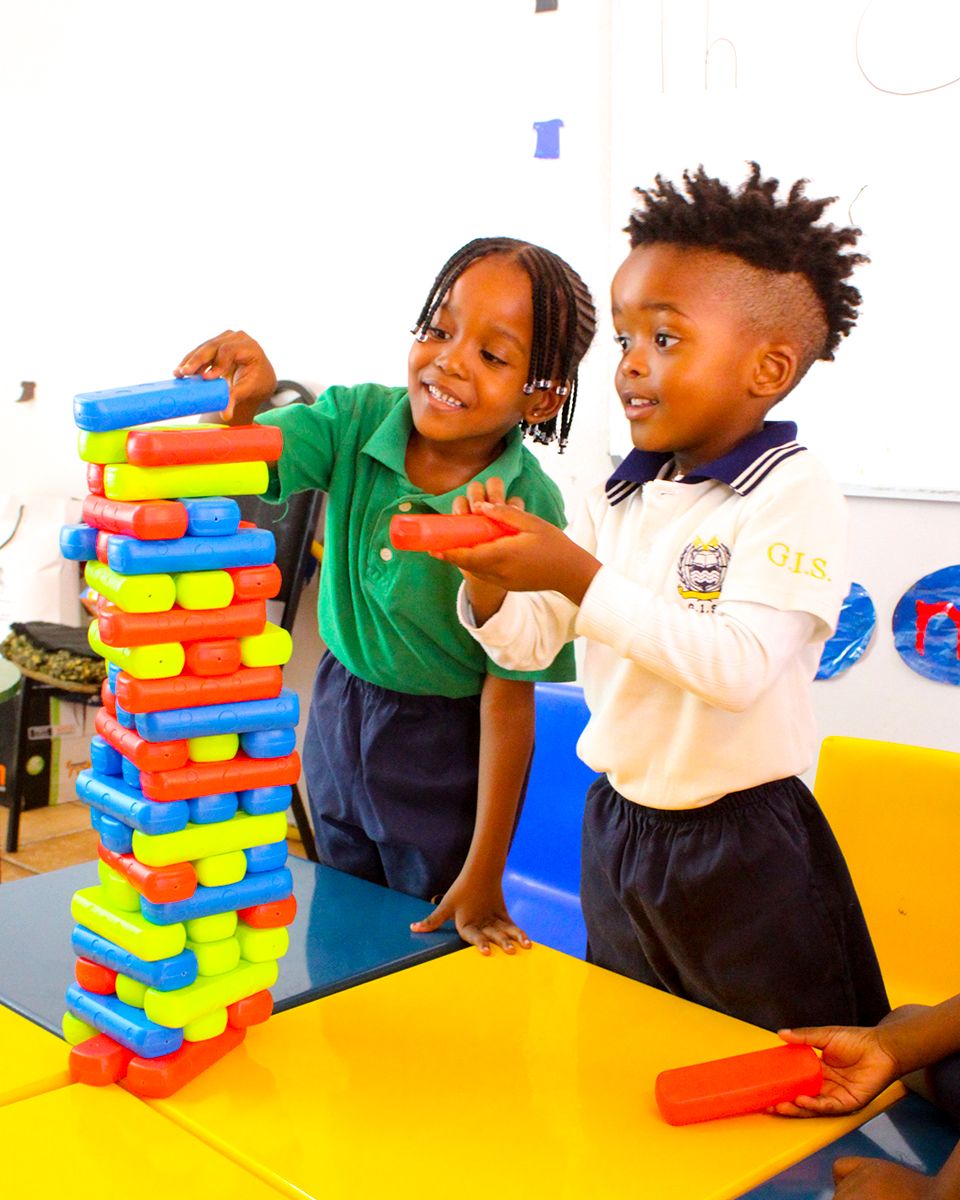
Creating this sense of safety starts with relationships. Every child deserves to walk into a classroom where they are greeted warmly, their feelings are acknowledged, and their individuality is celebrated. At GIS Pre-School, we use the Reggio Emilia Approach, which is child-centered. We believe that children do well when their interests are valued. As you enter our school in the morning, you will be warmly welcomed by our teachers, who are ready to greet each child with personalized greetings, such as hugs, high-fives, or even dance moves. Additionally, each classroom proudly displays photos of the children, creating a vibrant and inviting atmosphere that fosters a sense of community.


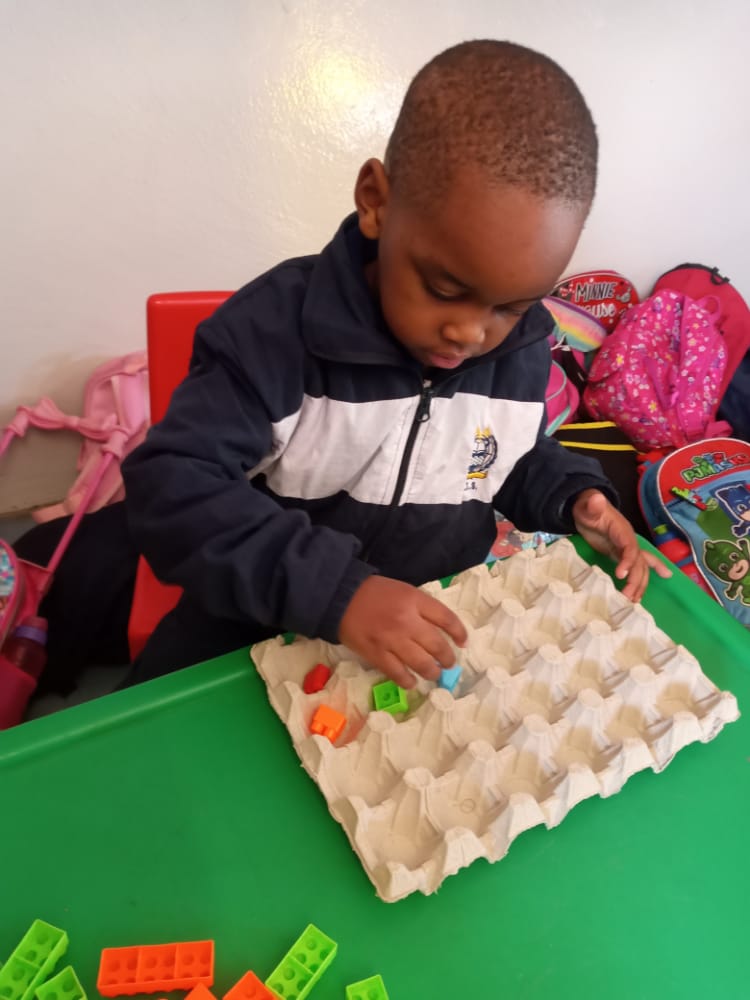
We also recognise that confidence looks different for every child. Some children are eager to raise their hands, while others need time to observe before joining in. At GIS Pre-School, we provide opportunities for children to choose what they want to learn through creating different provocations that allow children to discover their own learning. Supportive learning environments are about much more than academic instruction. Our teachers regularly remind


learners that mistakes are not failures—they are an important part of learning. This simple message helps children replace fear with curiosity and gradually builds resilience and self-belief. Through circle time, partner activities, imaginative play, storytelling, and hands-on investigations, children learn to communicate, solve problems together, and support one another. We also know that rebuilding confidence is most successful when schools and families work together. Regular communication between teachers and parents allows us to celebrate progress, understand each child's needs, and provide consistent encouragement both at school and at home.


Parents can reinforce emotional safety by creating opportunities for open conversations after school.

Instead of asking only,

  • "What did you learn today?"


Consider asking:

  • "What made you feel happy today?"
  • "What was something you were proud of?"
  • "Did you try something that felt difficult?"


These questions encourage children to reflect on their emotions and recognise their own growth, helping them develop confidence one day at a time.


When children know they are accepted, respected, and encouraged, they begin to take healthy risks, build positive relationships, and discover the joy of learning.


A child's confidence grows in environments where they feel emotionally safe, supported, and genuinely cared for. At GIS Pre-School, we are committed to creating classrooms where every learner feels they belong. By working together as parents and educators, we can help children overcome past experiences, build resilience, and develop the confidence they need to thrive—not only in school, but in life.
August 3, 2026
Why Consistency Between Home and School Matters Most
July 21, 2026
Every Student learns differently! Think about it like this; In the real world, we customize our coffee orders, hairstyles, our music playlists, and occasionally take our own clothes to the tailor to get a perfect fit in line with our our tastes. All this is done to provide the best customer service as well as for the customer to cherish it. So, why should our children’s educational journeys be treated differently? From time immemorial until now, the education system has evolved drastically from the former traditional teaching where the teacher was ‘ Mr. I know it All , where learners were just like passive passengers on an intellectual train to the current modern approach known as Personalized Learning. When put together, Personalized Learning’ means teachers provide targeted learning towards each student’s unique learning needs, interests, learning styles and modify their experiences. Personalized Learning ensures every lesson is resourceful, relevant and engaging with all students, which helps them grasp concepts taught more effectively leaving them with a touch of confidence in themselves. How Do Personalized Learning Approaches Support Different Learning Styles and Learner Progress? As educators at Gaborone International School, we understand that learning how our learners process information is not just beneficial to them, but it is a crucial part of our work to become excellent at our jobs and in ensuring every student succeeds in their academic journey. At GIS, we adopt these fou r famous and common learning styles for our learners: 1. Visual Learners These are learners who understand and remember things best when they see them. Thus, as teachers at GIS, we make use of PowerPoint Presentations, use information in diagrammatic form, images/pictures and videos while teaching our students. Our growing innovative techniques with digital equipment; for example, making use of projectors and iPads with learners has proven very helpful to these specific learners. 2. Auditory Learners : These learn best by hearing information and they remember spoken words. For these students, we make use of assigning group tasks to certain subtopics in a topic/question and once a set time is over, we push for students to teach it /explain it to the whole class (peer teaching). Additionally, rather than the teacher delivering all the information, learners are given a chance to collaborate with each other, and this makes them retain concepts taught easily. 3. Kinesthetic Learners: These learners enjoy hands-on activities, they learn quicker by doing & moving or changing seating positions. DIY Ferris Wheels by Std 3 Learners during a Robotics lesson As teachers, we try to make this possible as they engage in different specialist subjects. For example, However, we can make these learners get involved as we take them to the labs, Music, Art, PE and making use of buildings blocks/models. This way, learners can 10 channel their energy productively without disrupting their concentration span. 4. Reading /Writing Learners: These are learners who understand better when they read and write things down. This one is a classic traditional style where students write notes during class, read out loud what is on the board, and they love reading articles. In the Lower Primary school, particularly Standard 1 to 3, our Guided Readers program takes care of such learners.  By adding all these techniques to how we teach learners, it has helped us to answer a lot of questions our parents had and remove anxieties as they drop off their children at school each day. This makes them confident that their children are treated as individuals with unique talents and goals and are given room to thrive in a system that values them more and allows self-advocacy and the best to come out of them.
July 21, 2026
A message from the Deputy Principal: Hillary Siandula