Why School Culture Plays a Key Role in Student Growth

August 27, 2026

When parents choose a school, academic results are often one of the first things they consider.

Will my child do well in class? Will they be challenged and supported? While these questions are important, there is another factor that has a lasting impact on a child's development: the culture of the school.


School culture is the foundation of a child's daily experience. It is reflected in how students are treated, how teachers interact with learners, the values that are encouraged, and the sense of belonging children feel each day. A positive school culture helps students feel safe, respected, and confident, creating an environment where they are willing to participate, ask questions, and grow both academically and personally.


Children learn best when they feel that they belong. When they know their voices are valued and mistakes are seen as opportunities to learn, they become more resilient and more willing to take on new challenges. They also develop important life skills such as communication, teamwork, responsibility, and empathy. These are qualities that support success not only in school but throughout life.


How does a positive school culture support student growth?


A strong school culture helps children to:


  • Build confidence and self-esteem.
  • Develop positive relationships with teachers and peers.
  • Learn the importance of respect, responsibility, and integrity.
  • Feel motivated to participate and explore new ideas.
  • Develop resilience when faced with challenges.
  • Grow into compassionate, responsible, and independent young people.


When these experiences become part of everyday school life, students are more engaged in their learning and more prepared to reach their full potential.


Creating this kind of environment requires more than good policies. It takes a shared commitment from teachers, students, and parents to build a community where every child feels valued and encouraged to succeed. When schools and families work together to reinforce positive values and behaviours, children benefit from consistent support both at school and at home.


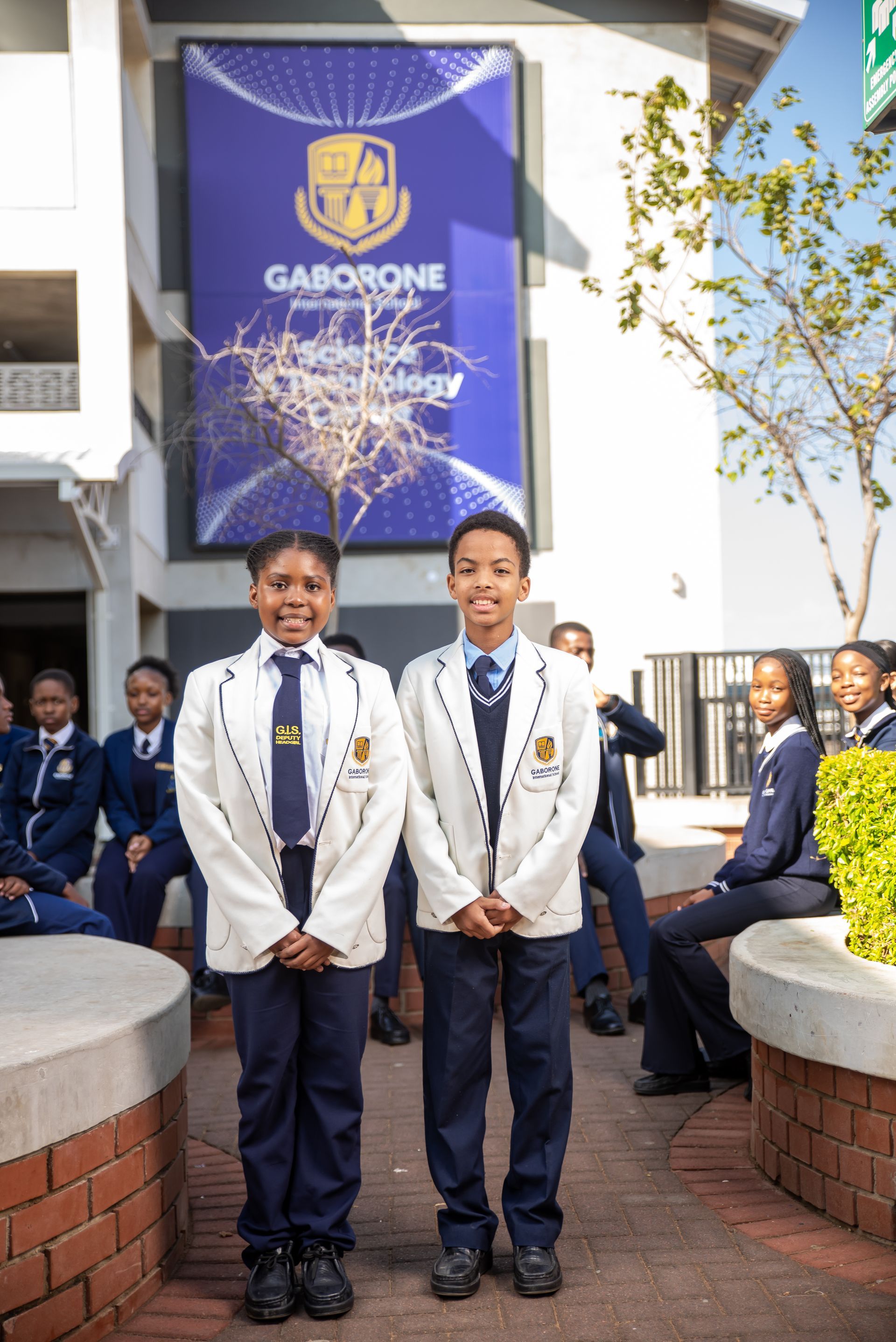
At Gaborone International School, we believe that a positive school culture is just as important as academic excellence. We are committed to creating a learning environment where every child feels welcomed, respected, and inspired to grow. Through strong relationships, a focus on character development, and opportunities for students to develop confidence and independence, we nurture learners who are prepared for success both inside and outside the classroom.


Education is about more than achieving excellent results. It is about helping children become capable, caring, and confident individuals who are ready to contribute positively to the world around them. At Gaborone International School, our school culture plays a key role in making that journey possible, ensuring every child can thrive.


Written by: Bonno Rebatenne

Teacher, Gaborone International School
August 11, 2026
My child is shy to ask for anything, and I realised that the teacher at his previous school was not welcoming or friendly to the children.
August 3, 2026
Why Consistency Between Home and School Matters Most
July 21, 2026
Every Student learns differently! Think about it like this; In the real world, we customize our coffee orders, hairstyles, our music playlists, and occasionally take our own clothes to the tailor to get a perfect fit in line with our our tastes. All this is done to provide the best customer service as well as for the customer to cherish it. So, why should our children’s educational journeys be treated differently? From time immemorial until now, the education system has evolved drastically from the former traditional teaching where the teacher was ‘ Mr. I know it All , where learners were just like passive passengers on an intellectual train to the current modern approach known as Personalized Learning. When put together, Personalized Learning’ means teachers provide targeted learning towards each student’s unique learning needs, interests, learning styles and modify their experiences. Personalized Learning ensures every lesson is resourceful, relevant and engaging with all students, which helps them grasp concepts taught more effectively leaving them with a touch of confidence in themselves. How Do Personalized Learning Approaches Support Different Learning Styles and Learner Progress? As educators at Gaborone International School, we understand that learning how our learners process information is not just beneficial to them, but it is a crucial part of our work to become excellent at our jobs and in ensuring every student succeeds in their academic journey. At GIS, we adopt these fou r famous and common learning styles for our learners: 1. Visual Learners These are learners who understand and remember things best when they see them. Thus, as teachers at GIS, we make use of PowerPoint Presentations, use information in diagrammatic form, images/pictures and videos while teaching our students. Our growing innovative techniques with digital equipment; for example, making use of projectors and iPads with learners has proven very helpful to these specific learners. 2. Auditory Learners : These learn best by hearing information and they remember spoken words. For these students, we make use of assigning group tasks to certain subtopics in a topic/question and once a set time is over, we push for students to teach it /explain it to the whole class (peer teaching). Additionally, rather than the teacher delivering all the information, learners are given a chance to collaborate with each other, and this makes them retain concepts taught easily. 3. Kinesthetic Learners: These learners enjoy hands-on activities, they learn quicker by doing & moving or changing seating positions. DIY Ferris Wheels by Std 3 Learners during a Robotics lesson As teachers, we try to make this possible as they engage in different specialist subjects. For example, However, we can make these learners get involved as we take them to the labs, Music, Art, PE and making use of buildings blocks/models. This way, learners can 10 channel their energy productively without disrupting their concentration span. 4. Reading /Writing Learners: These are learners who understand better when they read and write things down. This one is a classic traditional style where students write notes during class, read out loud what is on the board, and they love reading articles. In the Lower Primary school, particularly Standard 1 to 3, our Guided Readers program takes care of such learners.  By adding all these techniques to how we teach learners, it has helped us to answer a lot of questions our parents had and remove anxieties as they drop off their children at school each day. This makes them confident that their children are treated as individuals with unique talents and goals and are given room to thrive in a system that values them more and allows self-advocacy and the best to come out of them.