
The Importantance of Mindfulness

Gaborone International School • May 3, 2024

Mindfulness


A fast-paced workplace where one is always overwhelmed with packed schedules, deadlines to meet and never having downtime, can contribute to burnout and ineffective discharge of duties. One of the ways in which this can be mitigated is by practicing mindfulness.


What is Mindfulness?


Mindfulness is an act of meditation which teaches the practitioner to be present and not to let their mind wander. Practicing this form of meditation can bring many benefits and help reduce stress and improve memory. Through mindfulness you may be able to focus on the positive things in your life and give less energy to the things that may be harmful to you either mentally or physically.


If left to its own devices, the mind will wander, and this can be a problem if you are trying to complete tasks to your full potential. If you can condition your mind to focus, you will be able to give everything you do a lot of attention, and this will help in creating the best output. The mind needs to be trained and mindfulness is a good practice to train your mind to focus on one thing at a time and give it your all. Mindfulness can be done to help you connect with yourself and your inner peace. It is beneficial to everyone; whether spiritual, religious or those who do not believe in a higher power at all. It is just a way to connect with yourself.


Some experts believe that through mindfulness you will be able to accept your life experiences and work through them rather than avoiding them. You can couple this with therapy and be able to gain a deeper understanding of yourself.


The beauty of this practice is that it can be done at any time, once you start getting used to the action. The easiest way to start is to find a quiet place and focus on your breathing. You have to breath intentionally and do not be hard on yourself if your mind starts to wonder, just bring yourself back to focusing on your breathing.


The Benefits of Mindfulness


Some of the benefits of mindfulness are that it improves mental health, it can help to reduce stress and even elevate your mood. It has been known to be used in the treatment of anxiety or depression. If you can live in the moment, it can help you not over to think situations or dwell on negative experiences. You can also control your emotions through the practice of mindfulness which can help if you have anger issues or have problems managing your stress levels. It is also helpful for lowering your heart rate because you will be breathing deeply therefore preventing health issues.


The other benefits are being able to be calm in different situations and this type of focus can help you perform better at work or at school. Being able to be present allows for better performance because you will not be easily distracted and can complete the task at hand. Mindfulness also helps with creativity which can be a benefit when it comes to problem solving. You will be able to come up with new ways to help yourself and others.


Furthermore, mindfulness can help you sleep better. If you are not constantly thinking about random things you will be able to fall asleep quicker and get an adequate amount of sleep which is important for mental health. According to Harvard health, mindfulness can improve physical health too, it can help reduce chronic pain and improve inflammation.


In conclusion, mindfulness is a great tool to help heal your mind and body subsequently, increasing the quality of life and making it easier to handle stressful situations. Through mindfulness you can become an overall better person.

June 12, 2026
Using Assessment Insights to Personalise Support and Improve Learner Outcomes
June 11, 2026
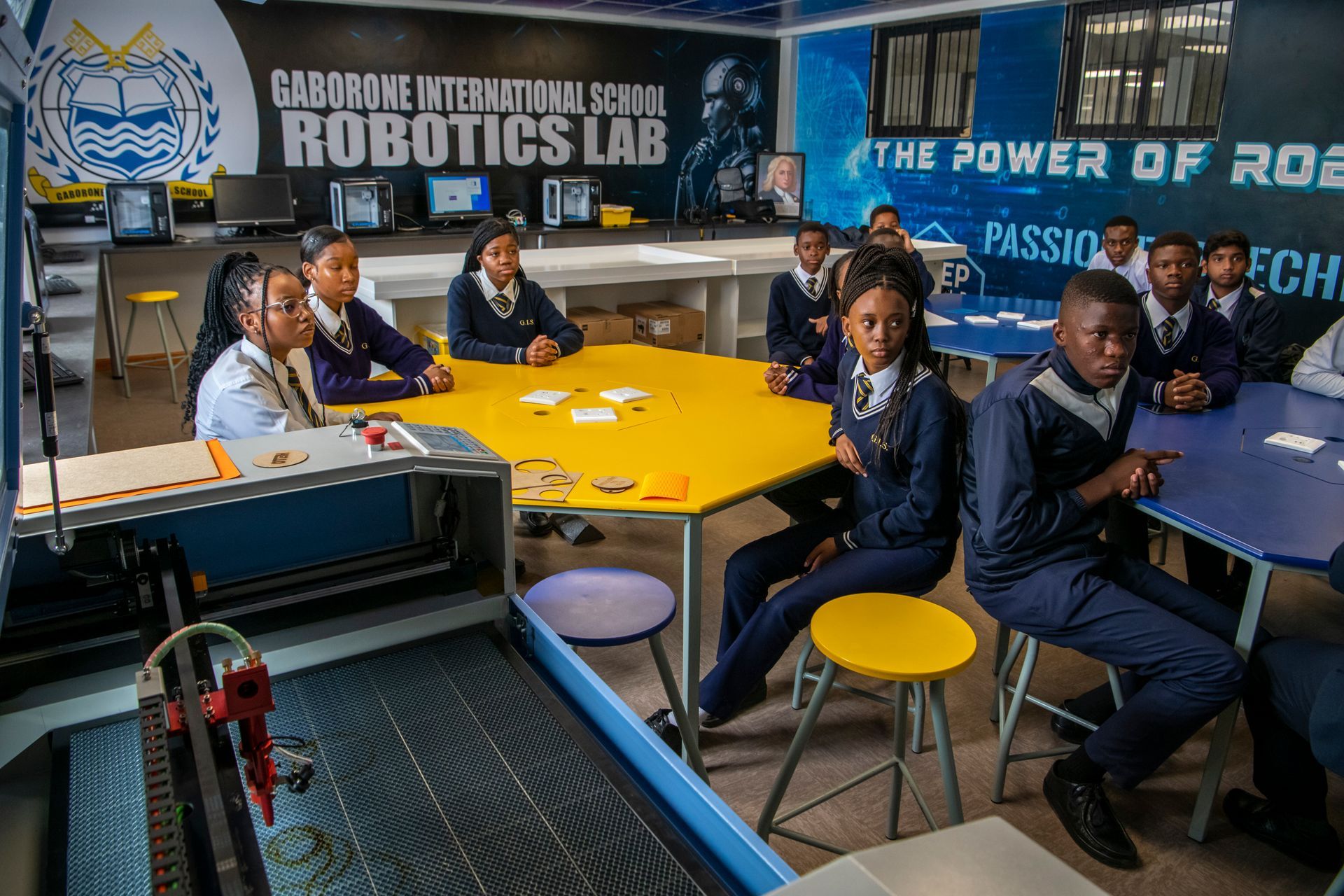
At Gaborone International School, we often speak to parents who carry both excitement and concern about their children’s future. Many wonder whether their child will cope with academic pressure, adapt to independent living overseas, stay emotionally strong, or successfully compete in an increasingly global world. These are very real concerns, and as educators, we see it as our responsibility to prepare students not only for examinations, but for life beyond school. Academic excellence remains a strong foundation. Through the Cambridge IGCSE curriculum, students develop internationally recognised qualifications that open doors to universities around the world. Our students consistently achieve outstanding results, and many can study abroad directly after IGCSE without needing AS Level studies. The strength of First Language English at GIS, together with the fact that learning and communication across the school happen in English, also gives students an important advantage when applying internationally. However, future success is about far more than grades alone. To prepare students further, GIS regularly hosts visits from international universities, including institutions from South Africa, Switzerland, and Canada. These engagements help learners and parents better understand global opportunities and career pathways. Students also participate in excursions to companies, institutions, and factories, giving them valuable exposure to different professions and working environments. One of the greatest transformations I have personally witnessed involved a student who began as extremely shy and reserved. She rarely spoke publicly and lacked confidence in her abilities. Over time, through opportunities provided by the school, she slowly found her voice. Today, she runs her own student career guidance consultancy and even speaks at national events. Her journey is a reminder that confidence can be taught, nurtured, and developed when students are consistently encouraged to step forward. GIS intentionally creates those opportunities. Students participate in debate and public speaking clubs, present during assemblies from Form 1, facilitate workshops, elect class monitors, and choose their own sports captains. During Entrepreneurship Day, students run their own business stalls and experience real decision-making, teamwork, and responsibility. Through Culture Week, students celebrate diversity and learn to appreciate different backgrounds and perspectives. These experiences help students become adaptable, confident, and culturally aware — qualities universities and employers increasingly value. Equally important is learner support. We understand that academic pressure can affect confidence and well-being. GIS has a resident psychologist who supports students emotionally and psychologically, while our restorative approach to discipline focuses on growth rather than punishment. I have seen learners who once struggled with anxiety and mental blocks go on to perform exceptionally well in their final examinations because they felt supported, understood, and guided. The world our children are entering is also rapidly changing technologically. GIS responds to this through Robotics, EdTech, and a strong focus on future-ready skills. Together with the ADvTECH Global Competency Skills and RDI (Respect, Diversity, and Inclusion) frameworks, and Community Service programmes, students are taught adaptability, collaboration, leadership, empathy, and responsible global citizenship from an early age. Ultimately, our goal at GIS is simple: to help every learner achieve their aspirations. We want students to leave our school academically strong, emotionally grounded, culturally aware, and confident enough to thrive anywhere in the world.
June 8, 2026
What Global Standards Mean for Your Child’s Future