Beyond the Basics: GIS Continues Investing in Advanced Learning Technology
GIS Continues Investing in Advanced Learning Technology

Gaborone International School (GIS) says its latest investment in new computers and tablets reflects the school’s ongoing commitment to improving the learning experience for students and ensuring its facilities remain aligned with the demands of modern education.
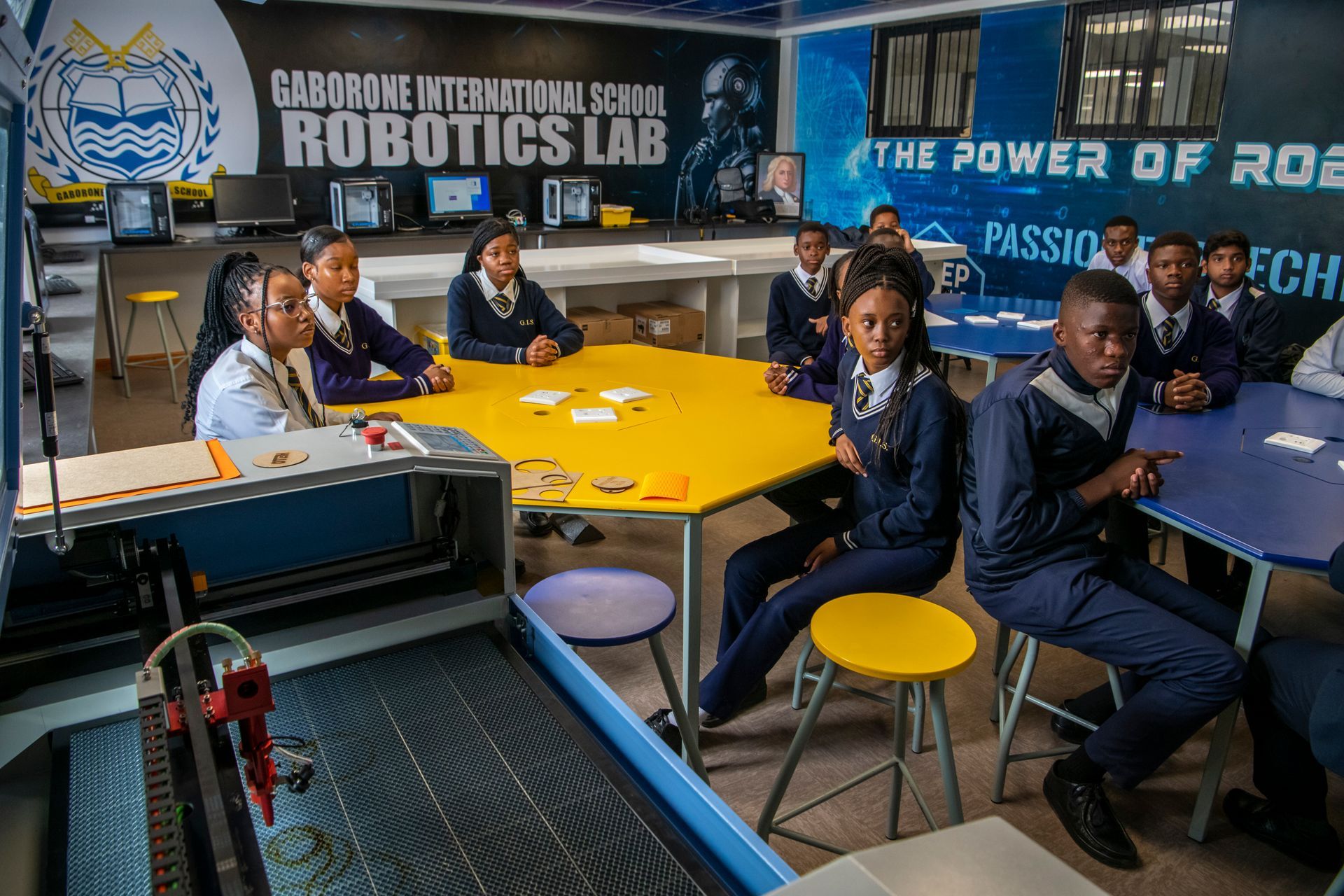
Over the years, the school has continued strengthening its learning environment through ongoing campus and technology development. GIS already offers one of the strongest technology infrastructures in the region, with ten dedicated computer laboratories across the campus, including specialist labs for Pre-Primary, Primary School, and High School students. The latest upgrade, which includes new computers for the High School and tablets for the Primary School, forms part of that continued investment.
The school says that while its technology facilities have long been regarded as a strength, the pace of digital advancement means that what was considered advanced only a few years ago may no longer meet the needs of today’s students. The updated technology is aimed at enhancing classroom efficiency, supporting curriculum delivery, and ensuring students are equipped for a rapidly changing digital world.
According to Hannelie Raubenheimer, Executive Head of GIS, the investment reflects the school’s commitment to future-focused learning
“At GIS, we have always prioritised providing students with access to leading facilities and learning environments, but technology evolves incredibly quickly. A computer lab that was considered excellent four years ago is simply not sufficient for the needs of students today. We therefore must continue evolving alongside the world around us to ensure our students remain equipped with the skills, tools, and confidence they need to thrive,” she said.
Raubenheimer added that technology is also transforming the quality of learning taking place in classrooms.
“Through immersive learning experiences such as virtual reality and our innovative interactive digital platforms like Advlearn, students are able to engage with concepts in far more meaningful ways. We are seeing stronger levels of participation, confidence, and academic engagement from students across the school,” she said.
Thomas Ramakgoakgoa, High School Principal at GIS, said the upgraded technology will further strengthen teaching and student outcomes.
“Modern technology plays a critical role in preparing students for higher education and the workplace. By upgrading our systems, students can work more efficiently, collaborate more effectively, and engage more deeply with practical learning experiences. We have also seen how immersive technologies can improve concentration, motivation, and overall academic performance,” he said. “In the High School, technology is most valuable when it helps learners think, create, collaborate, and solve problems more effectively. In a Cambridge environment, students need to move beyond simply knowing information. They need to apply it, analyse it, and communicate their thinking clearly. These upgrades give our teachers and learners stronger tools to support that kind of learning.”
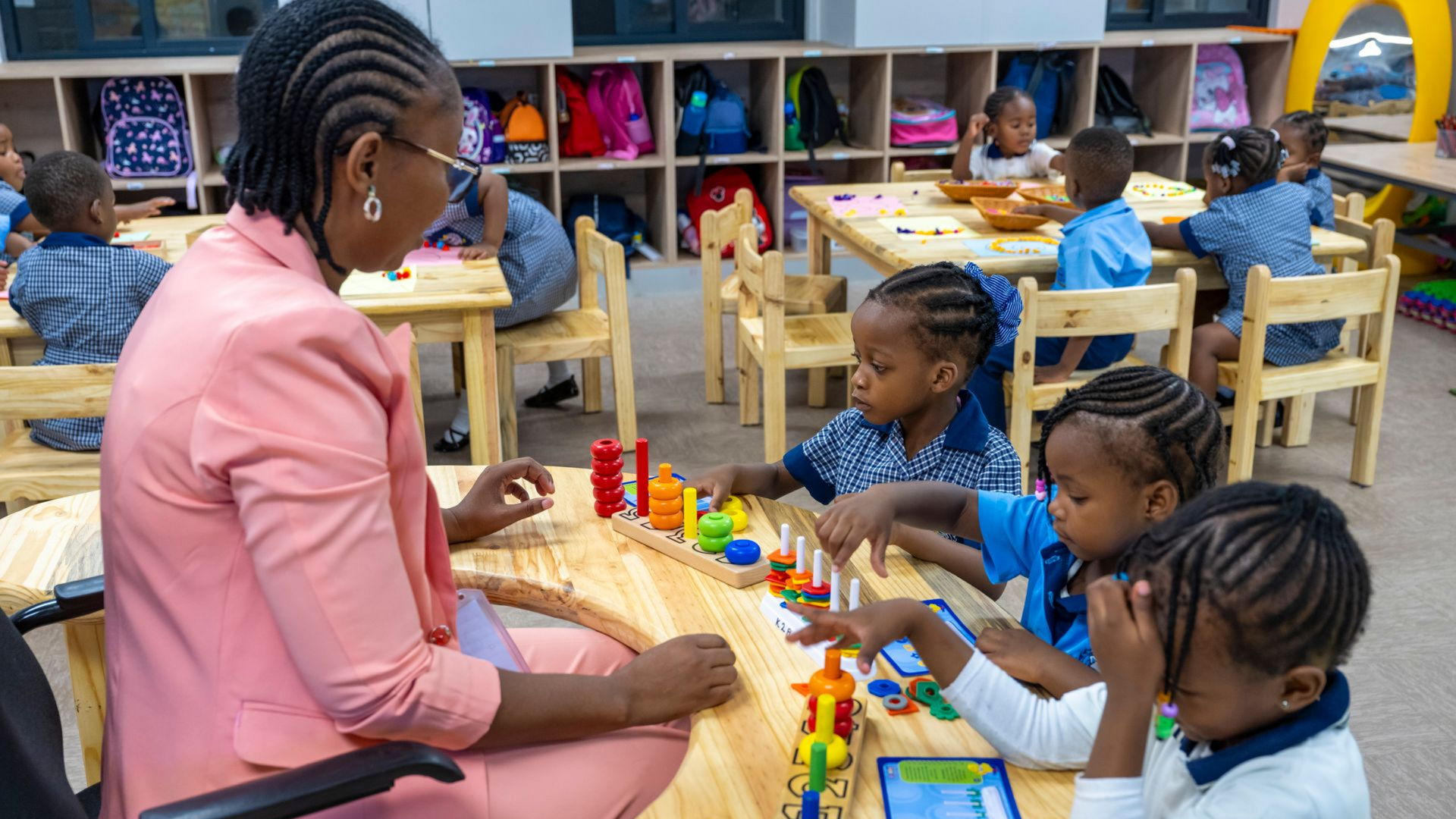
At Primary School level, the use of tablets is aimed at enriching the classroom experience through interactive and engaging learning methods. GIS says the devices will support foundational literacy and numeracy development while encouraging creativity, curiosity, and digital confidence from an early age.
Lisedi Phuti, Head of Primary School at GIS, said the integration of tablets allows teachers to create more engaging and personalised learning experiences for students.
“Interactive technology makes learning more exciting, accessible, and meaningful for young learners. Through tablets and immersive learning opportunities, students can engage with concepts in a more hands-on and visual way, which supports deeper understanding and retention. We have seen an impressive improvement in our international benchmarking (MAP testing) results for reading after having implemented Guided Readers in Standards 1 to 3. Students become more confident, more curious, and more willing to participate in classroom activities, while also strengthening important foundational academic skills,” she said.
The investment is not simply about keeping pace with technology trends, but about building on the strong foundation already in place at GIS. By continuing to upgrade facilities and learning tools, the school aims to create an environment where students and teachers alike are empowered to thrive while preparing students with the digital fluency and adaptability needed for the future.